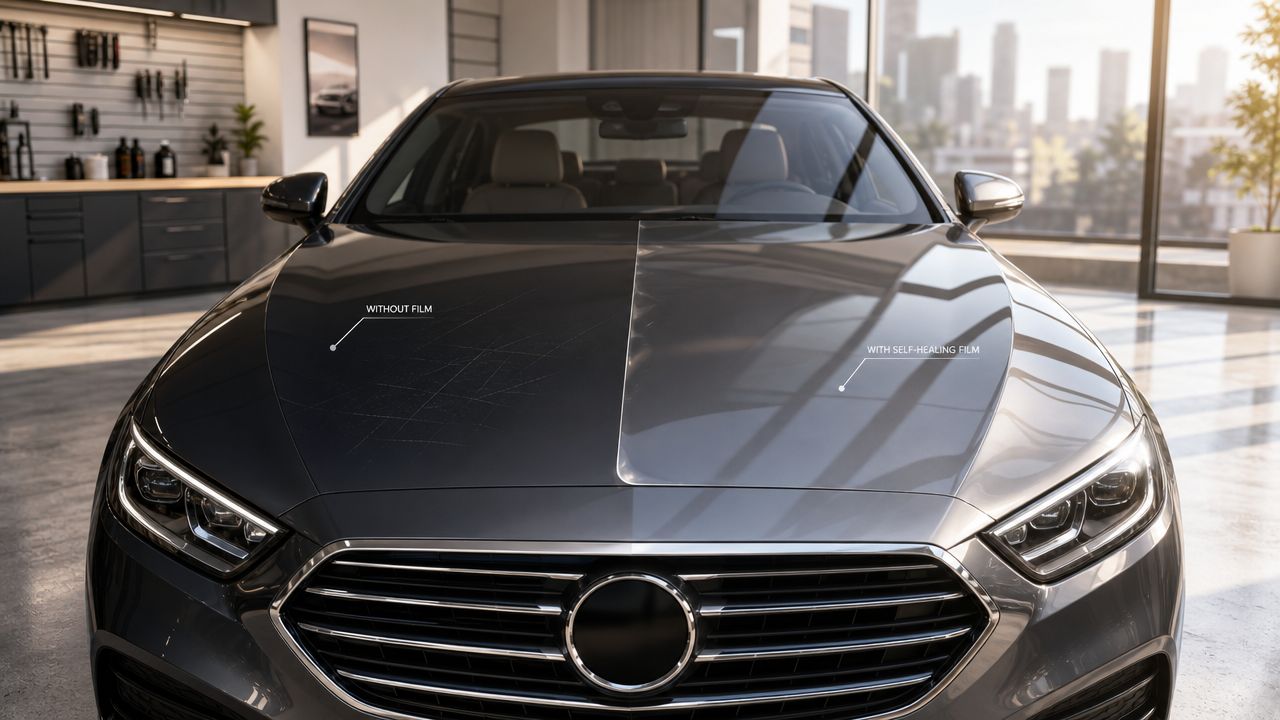
Professional self-healing PPF installation typically ranges from around $900 for partial front coverage to over $5,000 for a full vehicle wrap, depending on the car, the coverage package, and the film you choose. In the current 2026 pricing guides, partial front packages often start around $900, full front packages around $1,800, and full body coverage can exceed $5,000.
If you're in Woodstock, Kennesaw, or Canton, you're probably asking that question for a practical reason. You bought a new vehicle, you finally have the truck or SUV you wanted, or you're tired of watching the front end collect chips from highway driving around North Metro Atlanta. The goal isn't just to buy film. It's to protect factory paint without paying for coverage you don't need.
Self-healing PPF is one of the few automotive upgrades that can prevent visible wear instead of just hiding it. That matters more than most drivers realize. A bumper, hood edge, mirror cap, and fender lip take abuse every week from debris, bug acids, road grit, and careless washing. Once the paint is damaged, film can't reverse that. It can only preserve what's still in good condition.
A good installer should explain cost clearly. Film type matters. Coverage matters more. Labor matters most. That's especially true on modern bumpers, wrapped edges, tight sensors, and vehicles with complex curves.
Protecting Your Investment in 2026
You pick up a new SUV in Woodstock, drive I-575 for a week, and the front bumper already has the first signs of bug etching and road rash. That is the moment the PPF question becomes real. The decision is less about buying film and more about deciding how much future paint correction, touch-up work, and resale risk you want to absorb yourself.
Self-healing PPF sits at the higher end of the protection market because the film and the install both have to do more. The top layer is designed to recover from light wash marks and minor surface scuffs with heat, but that benefit only matters if the film is fitted cleanly, wrapped properly, and applied to paint that is still worth preserving. For North Metro Atlanta drivers in Woodstock, Kennesaw, and Canton, that usually means balancing highway exposure, vehicle size, and how long you plan to keep the car.
The biggest pricing mistake I see is treating self-healing film like a basic add-on. It is a paint-preservation system, and the bill reflects four separate parts of the job:
- Coverage choice: A partial front package controls cost, but it leaves more painted surfaces exposed.
- Film grade: Better topcoats tend to stay clearer, resist staining better, and recover more cleanly from light marring.
- Installation labor: Complex bumpers, sensors, tight edges, and black trim increase install time fast.
- Ownership horizon: A clean install that lasts years usually costs less than a cheaper job that has to be removed and redone.
Cheap film can become expensive in a hurry.
That is especially true on daily drivers around Canton and Kennesaw, where highway miles, construction zones, and frequent washing put the front clip through steady wear. Owners who plan to keep a vehicle for several years usually get the best value by matching the package to the damage pattern, not by chasing the lowest starting price. If you want a clearer primer on how self-healing paint protection film works and what affects performance, start there before comparing packages.
The same cost logic applies to other specialty vehicle protection and body work. Shops that understand panel fit, surface prep, and finish preservation usually produce better long-term results, whether the vehicle is a daily driver, a truck, or an RV. For larger repair needs, this resource on expert RV collision repair is a useful example.
What Is Self-Healing Paint Protection Film
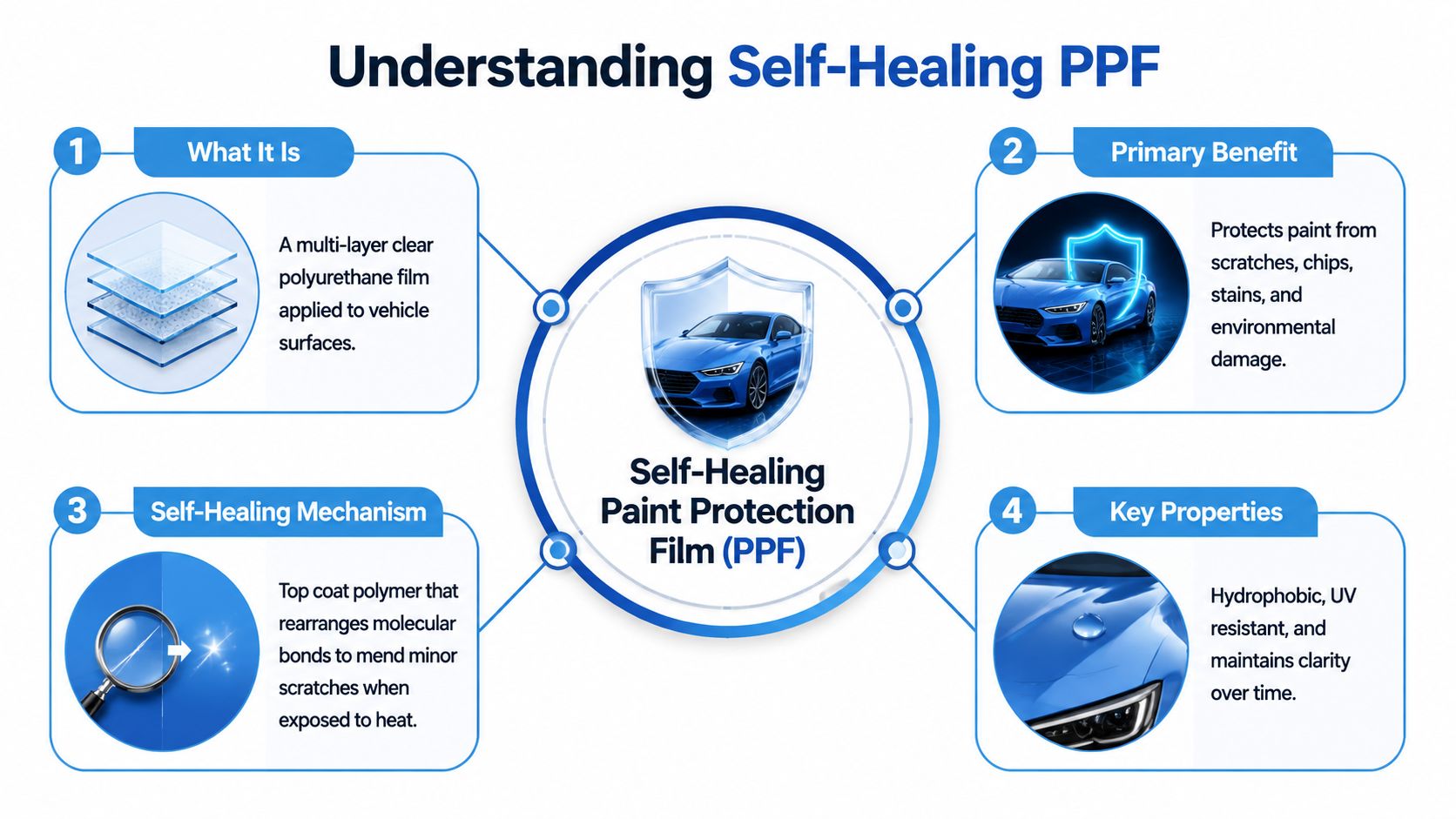
A driver in Woodstock buys a new truck, commutes down I-575 for a few months, and starts seeing light wash marks and small surface scuffs on the front end. Self-healing paint protection film is built for that exact kind of use. It is a clear polyurethane film applied over painted panels so the film takes the everyday abuse before the factory paint does.
The self-healing part comes from the topcoat. On a quality film, light surface marring can settle back down with heat from the sun, warm water, or normal panel warmth. That recovery only applies to minor marks in the film's top surface. It does not erase rock chips, deep gouges, or damage that cuts through the film.
Why the film costs more
Self-healing film costs more because the material is more advanced and less forgiving to produce well. The film has to stay clear, resist staining, bond properly, and still allow that top layer to recover from light marring over time. In practice, that usually puts premium self-healing products above basic paint protection film on both material cost and replacement value if a panel ever needs to be redone.
The technology itself is well established. XPEL describes its self-healing topcoat as a heat-activated surface designed to absorb light scratches and swirl marks so the film keeps a cleaner appearance over time (XPEL self-healing film technology). That matches what shows up in the shop. Better films usually stay clearer longer and recover better after regular washing, which matters on daily drivers in Kennesaw, Canton, and Woodstock where front-end wear builds up fast from highway miles and construction traffic.
How it differs from wraps and coatings
PPF, vinyl wrap, and ceramic coating solve different problems, and owners often combine them without realizing each one has a different job.
- PPF: Built to absorb physical impact and reduce paint damage.
- Vinyl wrap: Built mainly for color change or finish change.
- Ceramic coating: Helps with cleaning and water behavior, but it does not stop rock chips.
That distinction matters because self-healing PPF is a paint preservation product first. Its value comes from reducing the kind of surface wear that leads to polishing, touch-up work, or repainting later. For a closer look at where it performs best, see this guide to self-healing paint protection film applications and performance.
Decoding the Price Tag of Your PPF Installation
A Woodstock driver gets one quote for a full front package at one price, then sees a number that is hundreds or even thousands higher at another shop in Kennesaw or Canton. The gap usually comes down to four things. Film grade, coverage, vehicle design, and the labor standard behind the install.
Industry pricing references from XPEL place professionally installed paint protection film at a wide range depending on coverage and vehicle type, with partial front packages starting lower and full vehicle protection climbing into several thousand dollars (XPEL paint protection film pricing overview). That broad range matches real shop conditions in North Metro Atlanta, where the same package can price differently based on whether the car has simple panel shapes or a front bumper packed with vents, sensors, and tight edges.
Film quality sets the baseline
Film is not a commodity product. Two rolls may look similar at first glance and still perform very differently after a year of heat, washing, and road use.
Lower-cost films can save money up front, but they tend to show their limits sooner. Clarity can fall off. Edges can become harder to keep clean. Light wash marring may remain visible instead of settling out with heat. Better self-healing films cost more because the topcoat, adhesive system, and overall finish quality are built for longer-term appearance, not just initial installation.
That price difference is real, especially if the goal is keeping factory paint in strong condition for years instead of making the car look good for one season.
Coverage changes both material use and finish time
Material cost rises as more painted surface gets covered, but labor often grows even faster. A bumper takes more effort than a flat hood. Wrapped edges, tucked corners, and trim removal all add time.
A smaller package keeps the budget in check by focusing on the areas that take the most abuse. A larger package adds more film, more alignment work, and more finishing detail. On many vehicles around Canton, Kennesaw, and Woodstock, the jump from partial coverage to full front is not just extra square footage. It is extra precision.
Labor quality has a direct effect on long-term value
The install is where the ownership cost is won or lost.
Good labor includes wash and decontamination, paint inspection, pattern setup, careful stretch control, edge finishing, and cure management after the film goes on. Shops that price unusually low often cut time somewhere, and that usually shows up later as trapped debris, visible lift lines, less edge wrap, or early failure around complex shapes.
A clean install costs more because it takes more hours.
Vehicle complexity changes the quote faster than buyers expect
Large flat panels use plenty of film, but they are often more straightforward to install than an aggressive bumper cover on a sports sedan or luxury SUV. Radar areas, parking sensors, sharp compound curves, textured trim near painted edges, and tight grille openings all slow the job down and raise the chance of rework.
That is why one sedan may price lower than another sedan of similar size. The body design matters as much as the class of vehicle.
Good PPF pricing should be easy to explain. If a shop cannot break down the cost by film, coverage, and labor, ask more questions before you book.
For North Metro Atlanta owners, the useful question is not “What does PPF cost in general?” The better question is “What am I getting for this number on my specific vehicle, and how well will it hold up two or three years from now?” That is the number worth comparing.
Self-Healing PPF Cost by Coverage Package
Coverage is the biggest pricing decision most owners make. In the shop, I see the same question from Woodstock, Kennesaw, and Canton drivers every week: protect the high-impact areas now, or spend more upfront and avoid exposed paint later.
Self-healing PPF pricing usually falls into three practical tiers. Partial front is the entry point. Full front is the package many owners end up happiest with. Full body is for buyers who want the paint preserved across the entire vehicle and do not want to debate panel by panel coverage later.
2026 Estimated Self-Healing PPF Cost by Coverage
| Coverage Package | What It Protects | Estimated Cost Range |
|---|---|---|
| Partial Front | Typically the highest-impact front areas, often including the bumper, mirrors, and portions of the hood and fenders | Starting around $900 |
| Full Front | Full hood, full fenders, front bumper, and mirrors | Around $1,800 and up |
| Full Body | Full vehicle coverage for broad paint preservation | $5,000+ |
Those ranges are a useful starting point, but package choice should follow how the vehicle is used. A commuter that spends time on I-575 or I-75 sees a different kind of wear than a weekend car that mostly stays around town. If you want a closer look at how package options are typically built, review these paint protection film installation coverage options.
Which package makes sense
A partial front package fits owners who want protection on the areas that get hit first and need to keep the budget under control. It can make sense on daily drivers, older vehicles, or leases where the goal is reducing the obvious chip damage on the bumper and leading edge areas.
A full front package is often the strongest value. It covers the whole hood and fenders, so you do not end up with a visible line across painted panels. For many North Metro Atlanta drivers, this is the package that balances cost, appearance, and real-world highway protection.
A full body install is usually the right move for high-end vehicles, dark paint that shows every flaw, and owners who plan to keep the car long term. It costs more up front, but it also reduces the chances of chasing isolated damage on doors, rear quarters, rocker panels, and other areas that a front-only package leaves exposed.
Direct recommendations from the install side
Choose partial front if price matters most and you can accept that some hood and fender paint will stay unprotected.
Choose full front if you drive regularly on highways, care about the look of uninterrupted coverage, or know rock chips on exposed painted sections will bother you.
Choose full body if preserving factory paint is a priority, the vehicle has high resale sensitivity, or repaint mismatch would be more frustrating than the larger initial invoice.
One mistake shows up often. Owners buy a smaller package to save money, then come back later asking to expand coverage after seeing chips land just past the film line. That second visit usually costs more than choosing the right package the first time.
Warranty still matters, but it should be viewed correctly. A longer warranty can support film longevity and self-healing performance over time. It does not erase the need for good installation, proper prep, and realistic expectations about impact damage.
PPF Costs for Woodstock Kennesaw and Canton Residents
For drivers in Woodstock, Kennesaw, and Canton, the national pricing ranges above are useful because they match the kind of decisions local owners are making every day. North Metro Atlanta driving means interstates, construction zones, gravel from secondary roads, and plenty of daily-use wear on front bumpers and hoods.
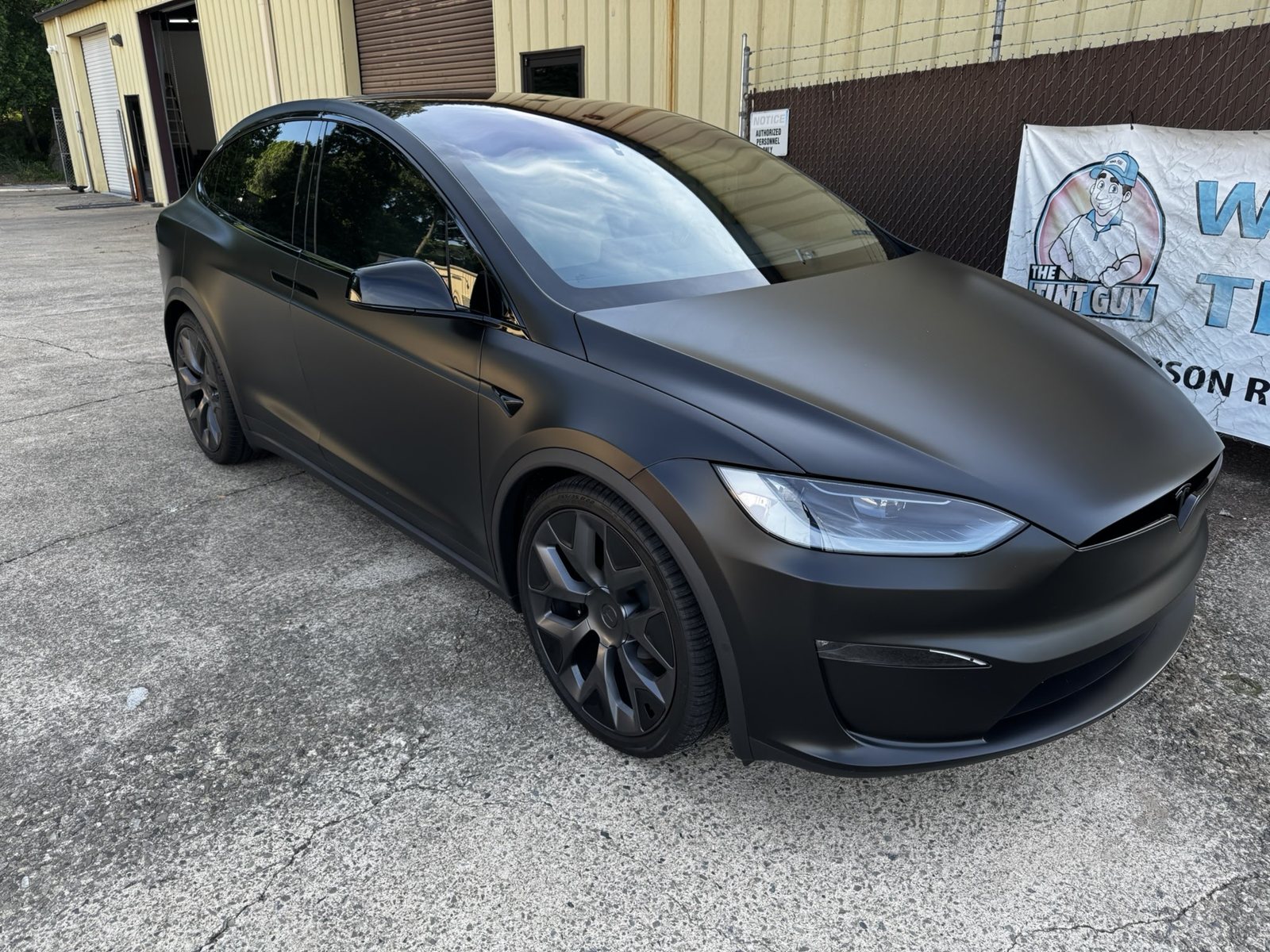
A Woodstock commuter may only want a front-end solution for regular highway use. A Kennesaw driver with a newer performance car may care more about keeping the front clip and rocker areas clean. A Canton family with a large SUV may want broader protection because replacement paint work on large panels is never as appealing as preserving factory finish.
Why local install quality matters
You don't need to drive into Atlanta to find high-end PPF work, but you do need to choose a shop that treats prep, pattern fit, and finishing seriously. That's what affects how the film looks six months later, not just how it looks under delivery lights on day one.
In this area, clients also tend to value convenience. Dropping a vehicle off closer to home matters. So does having a local shop available if you need aftercare guidance, inspection, or future coverage expansion. If you're comparing options nearby, this page on paint protection film installation gives a useful starting point for what a professional service process should include.
What local buyers should ask before approving a quote
A smart estimate conversation should cover more than a final number.
- Ask about coverage edges: Will the hood and fenders be partial or full?
- Ask about film type: Is it a true self-healing product or a lower-grade alternative?
- Ask about finish expectations: How are seams, corners, and wrapped edges handled?
- Ask about service after install: Who do you call if you notice lift or need care instructions?
This short video helps show the kind of finish and application detail buyers should pay attention to before choosing a package:
A local quote should feel specific to your vehicle, not copied from a generic menu.
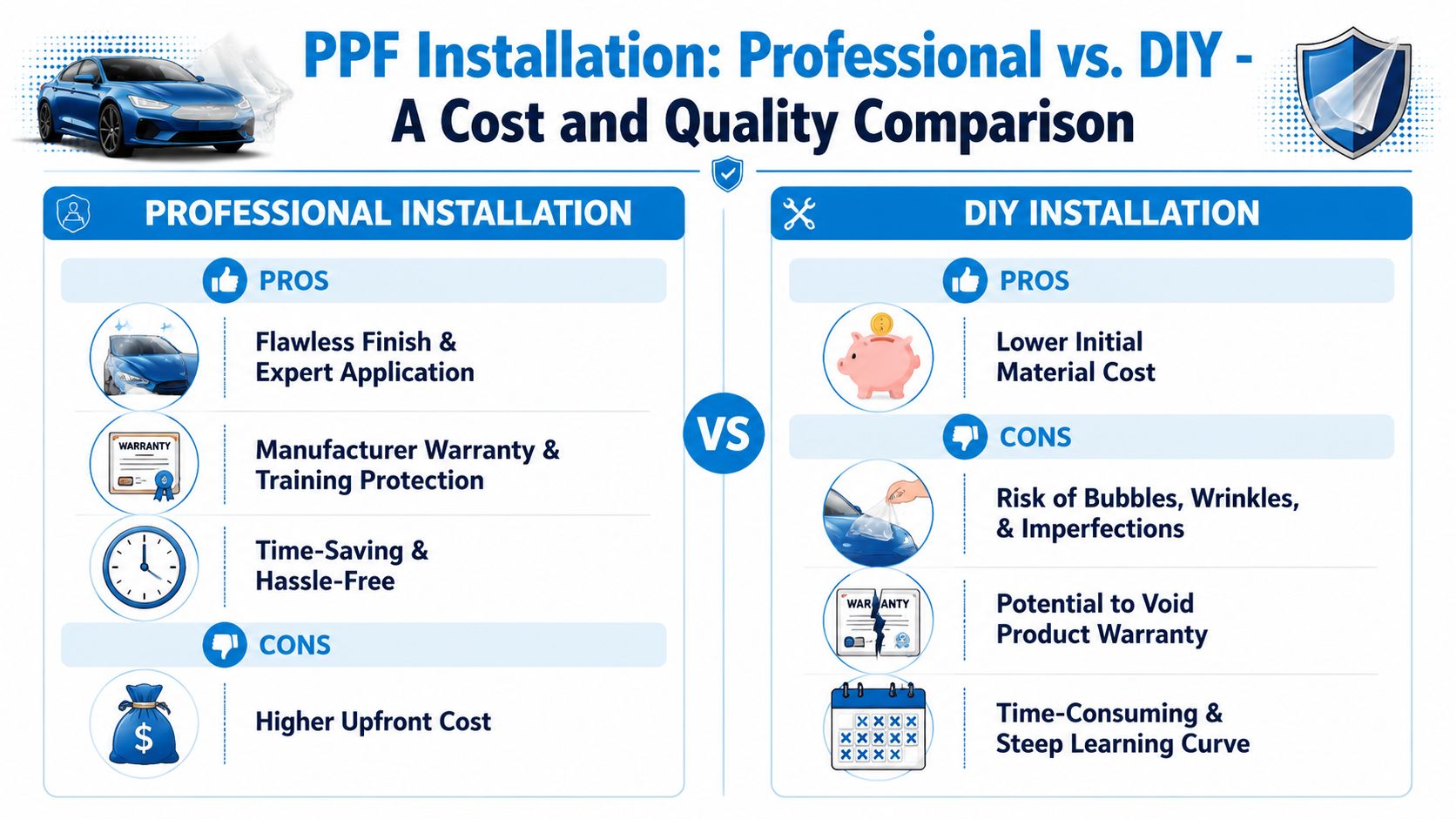
Professional Installation vs DIY A Cost and Quality Comparison
DIY PPF kits attract people for one reason. The upfront spend looks lower. On paper, that feels like savings. In practice, most owners underestimate how difficult clean film installation really is.
PPF doesn't forgive rushed prep, dirty conditions, poor tack management, or bad alignment. A small mistake on a flat test panel is one thing. A mistake on a bumper, mirror cap, or curved fender is another. That's where bubbles, stretch marks, fingers, contamination, and visible edge issues show up.
Where DIY goes sideways
Most DIY installs fail in one of these areas:
- Surface prep: Film locks in what you leave under it.
- Positioning: Once the panel starts grabbing wrong, recovery gets harder fast.
- Edge finish: Corners and wrapped edges expose inexperience immediately.
- Panel complexity: Bumpers are where many home installs come apart.
That doesn't mean every DIY attempt looks terrible. It means consistency is hard, and high-visibility panels make small flaws obvious.
Why professional work usually costs less in the long run
Professional installation costs more upfront because you're paying for repeatable technique, pattern accuracy, clean working conditions, and support after the install. You're also reducing the risk of paying twice.
If a failed DIY section has to be removed, cleaned, and replaced, the original “savings” disappear quickly. Removal itself can become another issue if the film ages poorly or was applied badly. If you're dealing with older or failing material, this guide on how to remove old paint protection film is useful for understanding what's involved before reinstallation.
A clean professional install should disappear into the vehicle. A bad DIY install keeps asking for attention every time you wash the car.
There's also a finish standard issue. Owners who care enough to search self healing PPF cost usually care how the car looks. If that's you, DIY is often a frustrating path unless you already have experience with film work.
Frequently Asked Questions About PPF
How long does self-healing PPF last
Quality self-healing film is built for multi-year ownership, not a short-term cosmetic fix. Actual lifespan depends on the film itself, the install quality, where the car lives, how often it sees sun, and how it's maintained.
In North Metro Atlanta, heat, pollen, road grime, and strong UV exposure put more stress on film than many owners expect. A garage-kept weekend car in Woodstock usually ages differently than a daily driver running I-575 and Highway 92 every day.
Can you put ceramic coating over PPF
Yes. Many owners add a coating over PPF because it helps with cleaning and keeps the surface slicker between washes.
The jobs are different. PPF handles impact and abrasion better than paint alone. Ceramic coating helps with water behavior, bug cleanup, and routine maintenance. If chip protection is the priority, film does the heavy lifting.
Does self-healing mean all scratches disappear
Self-healing refers to light surface marring in the top layer of the film. Wash marks, faint scuffs, and minor swirl-type marks are the kind of defects that may relax over time or with heat.
Deep scratches, punctures, and impact damage stay put. I make this point often because the term "self-healing" sounds broader than it is. It's a useful feature, but it has limits.
Is full body PPF always worth it
Full body coverage makes sense for some vehicles and overshoots the mark for others. The right answer depends on vehicle value, paint sensitivity, ownership term, and how much exposed paint will bother you six months from now.
For a lot of daily drivers around Kennesaw and Canton, full front coverage is the better balance. For darker paint, premium vehicles, or owners who notice every mark, full body can be money well spent.
How do I maintain PPF after installation
Good maintenance is straightforward.
- Wash with safe tools: Use quality wash media and avoid aggressive brushes.
- Clean off contaminants quickly: Bird droppings, bug remains, and sap should not bake into the surface.
- Watch the edges: Small lifted areas are easier to address early.
- Follow curing instructions: The first days after install matter.
Consistent care usually matters more than complicated products.
Can PPF be installed on an older vehicle
Yes, if the paint is stable enough for film. PPF preserves the condition underneath it. Chips, failing clear coat, oxidation, and neglected finish defects remain visible under the film and can create adhesion problems.
Older vehicles often need correction, touch-up work, or panel-by-panel judgment before installation. A good installer should tell you where film makes sense and where it does not.
What's the smartest package for most owners in Woodstock, Kennesaw, and Canton
For many local drivers, full front is the practical choice. It covers the areas that take the most abuse on North Metro roads without pushing the budget into full body territory.
That said, usage matters. A commuter trying to control cost may be fine with partial front. A newer luxury SUV, performance car, or truck that spends time on highways and construction corridors may justify more coverage.
What should I ask for in a quote
Ask for the details that change the actual outcome, not just the package label.
- Covered panels: Exactly what is included
- Film line: The specific self-healing product being installed
- Edge treatment: Which edges are wrapped and which are cut short
- Paint prep: Whether decontamination or correction is needed first
- Warranty: Product coverage and installer workmanship coverage
A clear quote lets you compare one shop to another without guessing what was left out.
If you're weighing self healing PPF cost for a vehicle in Woodstock, Kennesaw, or Canton, a vehicle-specific quote is more useful than a national average. The Tint Guy can help you compare partial front, full front, and full-body options based on how you drive and how much finish preservation matters to you.