
If you’ve opened your car door in Kennesaw or Woodstock after it sat in the sun all afternoon, you already know the problem. The steering wheel is hot, the seat belt burns your arm, and the cabin feels like it held onto every bit of Georgia heat.
That’s why many drivers start looking for car window tinting in the first place. They want a cooler interior, less glare on the commute, more privacy at stoplights, and better protection for the dash, seats, and electronics. Then they run into a choice that sounds simple but usually isn’t: reflective car tint or something more modern like ceramic window tint.
Reflective film has a strong reputation because it’s easy to notice. It has that mirrored look, and it can do a good job pushing solar energy away from the glass. But in Georgia, especially around Kennesaw, Marietta, Acworth, Canton, and Woodstock, the key question isn’t just whether reflective tint works. It’s whether it works well enough, legally enough, and safely enough for how you drive every day.
Beat the Heat Your Guide to Car Window Tint in Georgia
You feel it fast in North Atlanta. Park in Kennesaw for an hour, get back on Barrett Parkway or head toward I-75, and the cabin is still holding heat long after the AC kicks on. Add late-day glare and Georgia sun on your left arm, and factory glass starts to feel pretty limited.
Good tint fixes more than the look of the car. It helps control cabin heat, cuts UV exposure, takes the edge off glare, and still has to stay legal under Georgia law. Visible Light Transmission, or VLT, tells you how much visible light passes through the glass. Lower VLT means a darker film. According to this explanation of tint percentages and Georgia rules, 5% VLT allows only 5% of visible light through and blocks 95%, while 35% VLT allows 35% through and blocks 65%.
A lot of drivers get tripped up at that point. Darker does not automatically mean better heat rejection, and a mirrored finish does not automatically mean better performance. In the shop, the film’s construction matters just as much as the shade on the sample card, sometimes more.
Practical rule: The best window tint for cars in Georgia usually isn’t the flashiest film. It’s the one that cuts heat effectively, looks right on the vehicle, and stays inside state law.
Around Kennesaw, Woodstock, and Marietta, most customers are choosing between three basic film types:
- Dyed film gives you the darker appearance at a lower price, but heat control is usually the weakest of the three.
- Reflective car tint uses a metallic layer to push solar energy away from the glass and gives the car that mirror-style finish.
- Ceramic window tint is built for strong heat rejection and UV protection without the shiny exterior look that draws attention.
For Georgia drivers, that trade-off matters. Reflective tint can help with heat, but the look is more aggressive, the legal limits are less forgiving, and modern ceramic films often do the same job better for daily driving in North Metro Atlanta.
What Exactly Is Reflective Car Tint
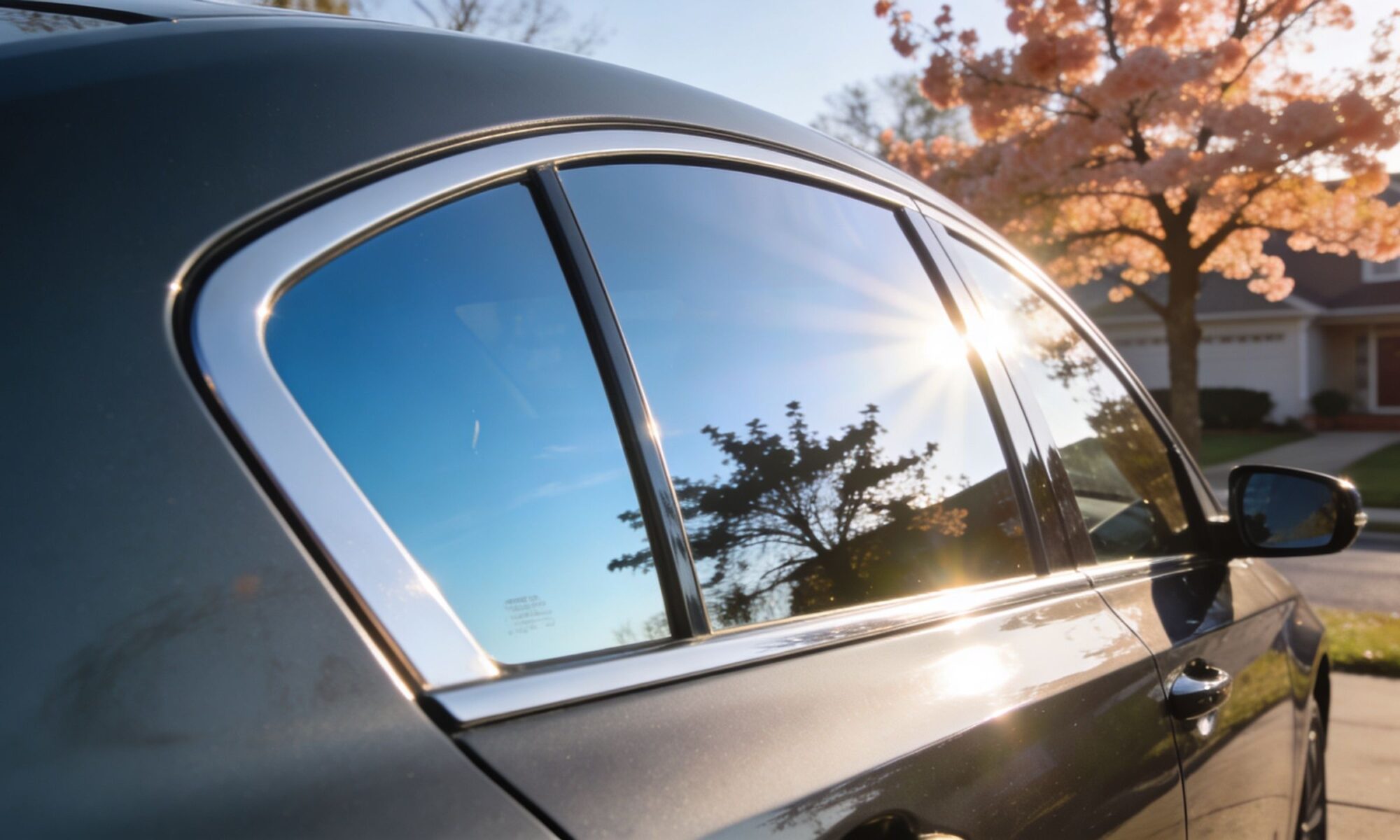
Reflective car tint is the film people usually mean when they say “mirror tint.” From outside the vehicle, it can create a one-way-mirror effect in bright conditions. From inside, it still allows the driver to see out, assuming the film is installed within a usable shade.

How the film actually works
Reflective tint uses a metallic layer to send part of the sun’s energy away from the vehicle instead of letting that energy build inside the cabin. That’s the key difference. A basic dyed film leans more on absorption. Reflective film leans on reflection.
High-quality reflective films can block up to 80% of solar heat and 99% of harmful UV rays, and that performance is often discussed through TSER, or Total Solar Energy Rejected, in this breakdown of reflective film heat performance. The same source explains that the mechanism involves reflecting infrared radiation rather than absorbing it, which helps keep heat from accumulating in the cabin.
That’s why reflective film gained traction in hot climates. On a parked car, especially one with a dark interior, bouncing heat away before it gets trapped makes a real difference.
Why it looks different from other tint
The appearance comes from the metallic content. A dyed film usually looks flat or charcoal. A ceramic film looks more neutral and factory-like. Reflective film has a shinier finish because it’s designed to return light outward.
For some drivers, that’s the whole appeal. They want the aggressive mirrored style. Others like it because it creates stronger daytime privacy from outside views.
A quick visual helps if you want to see the look in action:
Where reflective tint fits
Reflective film can make sense when someone prioritizes exterior privacy and strong daytime glare control. It’s especially attractive to drivers who want their vehicle to stand out.
But an installer must take a more cautious approach to the discussion. Good heat rejection doesn’t automatically mean it’s the best fit for auto tint installation in Georgia. The mirrored look, the metal content, and the state reflectivity rules all matter. What looks great in a product sample can become a headache once it’s on the car and out on Cobb County roads.
The Downsides and Dangers of Reflective Tint in Georgia
A lot of North Atlanta drivers like reflective tint until they have to live with it. The sample looks sharp under shop lights. Then the car hits GA-400 at sunset, or gets a second look in a parking lot, and the trade-offs show up fast.

Georgia law is the first concern
Reflective tint creates a legal problem before it creates a comfort benefit if the film goes past Georgia’s reflectivity limit. State rules cover more than darkness, and highly mirrored films are the ones that get drivers into trouble most often. This overview of Georgia legal tint limits and reflectivity rules is the part I tell customers to read before they pick a shiny film based on looks alone.
On sedans, the front side windows also have to stay within Georgia’s visible light transmission requirement. That means a film can miss the mark two ways at once. Too reflective. Too dark.
That combination is what makes reflective tint risky here.
The look gets attention you may not want
A charcoal or neutral ceramic film usually blends in with factory glass. Mirrored film does the opposite. It stands out in traffic, in school pickup lines, in office parking decks, and at stoplights.
In Kennesaw, Marietta, Acworth, and up through Cherokee County, that matters more than people expect. If the vehicle looks unusually reflective from across the road, it can draw attention before anyone checks the specs.
Some drivers want that bold finish. Others regret it after a week because the car looks louder than they planned.
Visibility can get worse in real evening driving
This is the trade-off that matters most to me as an installer. Reflective film may look strong on a hot afternoon, but Georgia drivers spend plenty of time in mixed light, rain, and headlight-heavy traffic. On I-575 in winter, or on a wet evening run down Barrett Parkway, that shiny surface is not always your friend.
Metallic reflective films can produce more visible glare and internal reflection than non-metal ceramic films, especially at dawn, dusk, and night. The Federal Highway Administration has published research on how glare reduces contrast and makes hazards harder to detect in low-light driving conditions, which is exactly where reflective films tend to feel less comfortable than a cleaner-looking ceramic option.
That does not make every reflective film unsafe. It does mean the downside is real enough that drivers notice it after installation, not before.
Other problems show up after the install
The complaints are usually practical, not cosmetic:
- Exterior reflectivity feels excessive once the car is outside in full sun.
- Night driving feels less relaxed because glare and reflections are more distracting.
- Staying compliant gets harder if the vehicle is already close to Georgia’s legal limit.
- Signal interference is possible with metallic films, which can affect electronics more than non-metal alternatives.
For a North Atlanta driver, that is the core trade-off. Reflective tint gives you a mirrored look and strong daytime privacy, but it also brings more legal risk and more visibility compromise than many people expect. In Georgia heat, modern ceramic films usually solve the comfort problem with fewer headaches.
Reflective vs Ceramic Tint A Local Comparison for Atlanta Drivers
Most buyers start with the wrong question. They ask, “What’s the darkest tint I can get?” The better question is, “What film gives me the best heat reduction without hurting visibility or causing legal trouble?”
That’s where reflective and ceramic tint separate.

Darkness is not the same as performance
A lot of drivers in Canton, Acworth, and Marietta still assume a darker film always blocks more heat. It doesn’t. Heat rejection depends on material technology, not just darkness, and a lighter-shade premium ceramic film can outperform a darker standard film by selectively blocking infrared rays, as explained in this guide to how tint material affects heat blocking efficiency.
That’s the biggest misconception in auto tint installation.
Reflective film gets attention because its shine signals performance. Ceramic film is less dramatic visually, but often stronger where Georgia drivers feel the difference: cabin comfort, stable visibility, and fewer compromises.
Side by side in real driving
| Feature | Reflective Tint | Ceramic Tint |
|---|---|---|
| Heat reduction approach | Reflects solar energy outward | Blocks heat through advanced material technology |
| Exterior appearance | Mirror-like, bright, noticeable | Neutral, subtle, factory-style |
| Georgia compliance risk | Higher if reflectivity is excessive | Easier to keep compliant when chosen correctly |
| Night driving feel | Can create more low-angle reflection issues | More natural visibility for most drivers |
| Signal interference risk | Higher due to metallic construction | No signal interference |
| Best fit | Drivers who want the mirrored look first | Drivers who want balanced performance first |
What usually works better in Georgia
For North Atlanta driving, ceramic tends to be the smarter answer. It avoids the mirrored finish that causes legal headaches. It also avoids the metal-heavy construction that some drivers don’t want around modern vehicle electronics.
Ceramic is easier to match to the actual use case:
- Daily commuters usually want heat reduction tint that doesn’t make evening driving harder.
- Families want UV protection tint and cabin comfort without drawing extra attention.
- Drivers replacing old bubbling tint usually want a cleaner, longer-lasting upgrade rather than a dramatic cosmetic change.
- People searching for the best window tint for cars generally care more about performance over time than about a mirrored outside view.
Installer’s view: If heat is your main problem, shop film technology first and shade second.
For drivers considering an upgrade path, this overview of ceramic tint benefits for Georgia vehicles gives a good baseline for what premium non-reflective film is designed to do.
When reflective still makes sense
Reflective tint isn’t useless. It still appeals to a specific customer. If someone wants strong daytime privacy and likes the mirror aesthetic, it can be part of the conversation.
But in practice, many Georgia drivers who ask for reflective tint are really asking for three things: less heat, less glare, and a sharper-looking car. Ceramic usually delivers those goals with fewer trade-offs. That’s why many installs that begin as a reflective tint inquiry end as a ceramic tint upgrade.
Tint Installation and Cost in North Metro Atlanta
Once you’ve narrowed down the film type, the next question is usually simple: what affects the price, and what are you paying for?

What changes the cost
For car window tinting in Kennesaw, window tinting in Woodstock, or tint replacement in Marietta, the final cost usually moves based on a few practical factors.
- Vehicle size and glass layout matter. A two-door coupe, a sedan, and a large SUV don’t take the same amount of labor.
- Film selection matters even more. Standard dyed film and premium ceramic window tint don’t sit in the same category.
- Old film removal adds time. If the existing tint is bubbling, purple, peeling, or has adhesive baked onto the glass, the job gets more involved.
- Rear glass complexity can affect labor, especially when defroster lines need careful handling during tint removal and replacement.
- Windshield tint or a windshield strip can add a separate line item depending on the vehicle and the film chosen.
What a professional install should include
Price only tells you something if you know what’s behind it. A proper auto tint installation should include clean glass prep, accurate patterning, careful shrinking on curved glass, and post-install guidance so the film cures correctly.
A rushed job usually shows itself later. You’ll see dust trapped in the film, peeling at the edges, poor alignment, contamination, or early failure.
Here’s what’s worth asking before booking:
- Warranty coverage for fading, peeling, bubbling, or defects.
- Film brand and type so you know whether you’re comparing dyed, carbon, or ceramic.
- Removal process if your current film is old or damaged.
- Turnaround time if you need same-day service.
- Legal fitment for Georgia, especially if you’re asking about darker shades or reflective looks.
If you’re budgeting for a project and want a general breakdown of what shops consider, this page on car tint cost factors in North Metro Atlanta is a useful reference.
When replacement makes more sense than keeping old tint
A lot of vehicles around Acworth and Canton come in with older film that technically still covers the glass but no longer performs well. If it’s discolored, hazy, or bubbling, replacement usually makes more sense than trying to live with it.
Cheap film often looks fine when it’s new. The real test is how it looks after years of Georgia sun.
If the goal is long-term comfort, cleaner appearance, and less repeat work, a quality replacement is usually the better investment than patching around failed tint.
Your Georgia Car Tinting Questions Answered
Is reflective car tint legal in Georgia
Sometimes, however, people can encounter difficulties. Mirror-like films in the 5% to 15% VLT range can offer 99% UV rejection yet still risk violating Georgia’s 32% VLT law for sedans while drawing extra attention because of the shiny exterior appearance, according to this discussion of low-reflective ceramic alternatives and Georgia compliance concerns.
If you want that mirrored look, have the film checked against both VLT and reflectivity rules before anything goes on the glass.
Is ceramic tint better than reflective tint for heat reduction
For most Georgia drivers, yes. Ceramic is usually the better answer when the priority is comfort without the mirror effect. It also fits daily driving better because it doesn’t chase the reflective look that causes many of the compliance concerns discussed earlier.
This is why drivers searching for best tint for heat reduction in Georgia often end up choosing ceramic even if they started out asking about reflective film.
How long does car tint last
That depends on the film quality, the install quality, and how much sun exposure the vehicle sees. Cheap dyed tint usually doesn’t age like premium film. It tends to discolor and fail sooner, especially on cars parked outside all day.
A better installation with a stronger film usually holds up cleaner and longer. That’s one reason many drivers upgrade during tint replacement instead of reinstalling the same low-grade material.
Can old tint be removed without damaging the rear defroster
It can, but removal technique matters. Rear glass is where DIY work goes wrong most often because the defroster lines sit right on the glass surface. Aggressive scraping can damage them permanently.
For bubbling rear film, professional removal is the safer move. The goal is to soften adhesive, lift the film cleanly, and avoid tearing up the defroster grid.
Is windshield tint legal in Georgia
A full dark windshield isn’t the move. Drivers asking about windshield tint usually mean one of two things: a top strip for glare reduction or a lighter performance film for comfort. If you want anything on the windshield, make sure the setup is legal for Georgia and installed with visibility in mind.
What should I choose if I commute every day
If you drive a lot around Kennesaw, Woodstock, Marietta, or Canton, choose for comfort first. That usually means:
- A legal shade that won’t become a traffic-stop magnet
- A premium film type that handles heat well
- A clean, non-hazy appearance for day and night driving
- A replacement plan if your current tint is old, purple, or bubbling
The best setup for a commuter is rarely the flashiest one. It’s the one you stop thinking about because the cabin stays more comfortable and the visibility stays predictable.
Choose the Right Tint for Your North Atlanta Drive
You pull out of a Kennesaw parking lot in July, the cabin is already hot, and the afternoon sun is bouncing off every car around you. That is the point where tint stops being a style choice and becomes a daily comfort decision.
Reflective car tint still has a place. It gives a bold mirrored look, adds strong daytime privacy, and can reject a fair amount of heat. The problem for North Atlanta drivers is that the same shiny finish that looks good in a parking lot can draw the wrong kind of attention on Georgia roads, especially if the film pushes reflectivity too far for local law or creates more glare than you want in mixed lighting.
For most vehicles I see around Kennesaw, Woodstock, Acworth, Marietta, and Canton, ceramic is the better long-term setup. It cuts heat well, keeps the glass looking clean instead of flashy, and avoids the obvious mirrored appearance that can turn a good install into a legal question.
That trade-off matters here.
Georgia drivers deal with long hot months, stop-and-go traffic, and a lot of commuting at sunrise and dusk on roads like I-75, I-575, and GA-400. In those conditions, the best tint is usually the one that keeps the cabin cooler without adding distractions. Modern ceramic films do that better than older high-reflective options for most daily drivers, especially if you want a factory-clean look and predictable visibility.
If you are deciding between car window tinting, tint replacement, or upgrading old film to ceramic window tint, choose the setup you will appreciate every day. Cooler seats. Less strain from sun exposure. A legal finish that does not stand out for the wrong reasons.
If you want a clean, legal, high-performance tint setup for your vehicle, contact The Tint Guy for a quote and expert help with ceramic tint, auto tint installation, tint removal, or replacing old bubbling film in North Metro Atlanta.