A lot of North Atlanta drivers start in the same place. They see a clean satin truck in Woodstock, a matte coupe in Marietta, or a color-shift weekend car pulling through Kennesaw, and suddenly their own vehicle feels tired. The paint may still be fine, but the look isn’t.
That’s usually when the search starts. Where to get my car wrapped near me. Not six months from now. Not as a vague idea. Right now, because you want a shop that can change the look of the vehicle without turning the project into a gamble.
A wrap is the modern answer for that. It gives you color change, finish options, and paint protection benefits that traditional paint doesn’t handle the same way. It’s also become far more mainstream. The global automotive vinyl wrap market was valued at approximately $3.5 billion in 2023 and is projected to reach $6.8 billion by 2030, according to vehicle wrap market data and industry overview from Waxman of Tri-State. In major U.S. markets, wrapped vehicles can also generate 30,000 to 70,000 daily visual impressions, which is one reason wraps are popular for both personal builds and branded vehicles.
What's often missed is simple. A wrap is only as good as the installer. Great film in the wrong hands still fails at edges, around deep recesses, on mirrors, and anywhere the prep work was rushed. If you’re in Kennesaw, Woodstock, Acworth, Canton, or Marietta, the smartest move isn’t just finding a shop nearby. It’s knowing how to tell the difference between a shop that installs wraps and a shop that installs them well.
Your Search for a New Look Starts Here
The driver who searches for a wrap usually isn’t confused about what they want. They’re deciding who should touch the car.
Around North Metro Atlanta, that decision comes up for a few familiar reasons. Some owners want a complete color change without locking themselves into permanent paint. Some want to cover tired factory paint and give the car a cleaner, more current look. Others have a newer vehicle and want to protect the finish while still making it stand out.
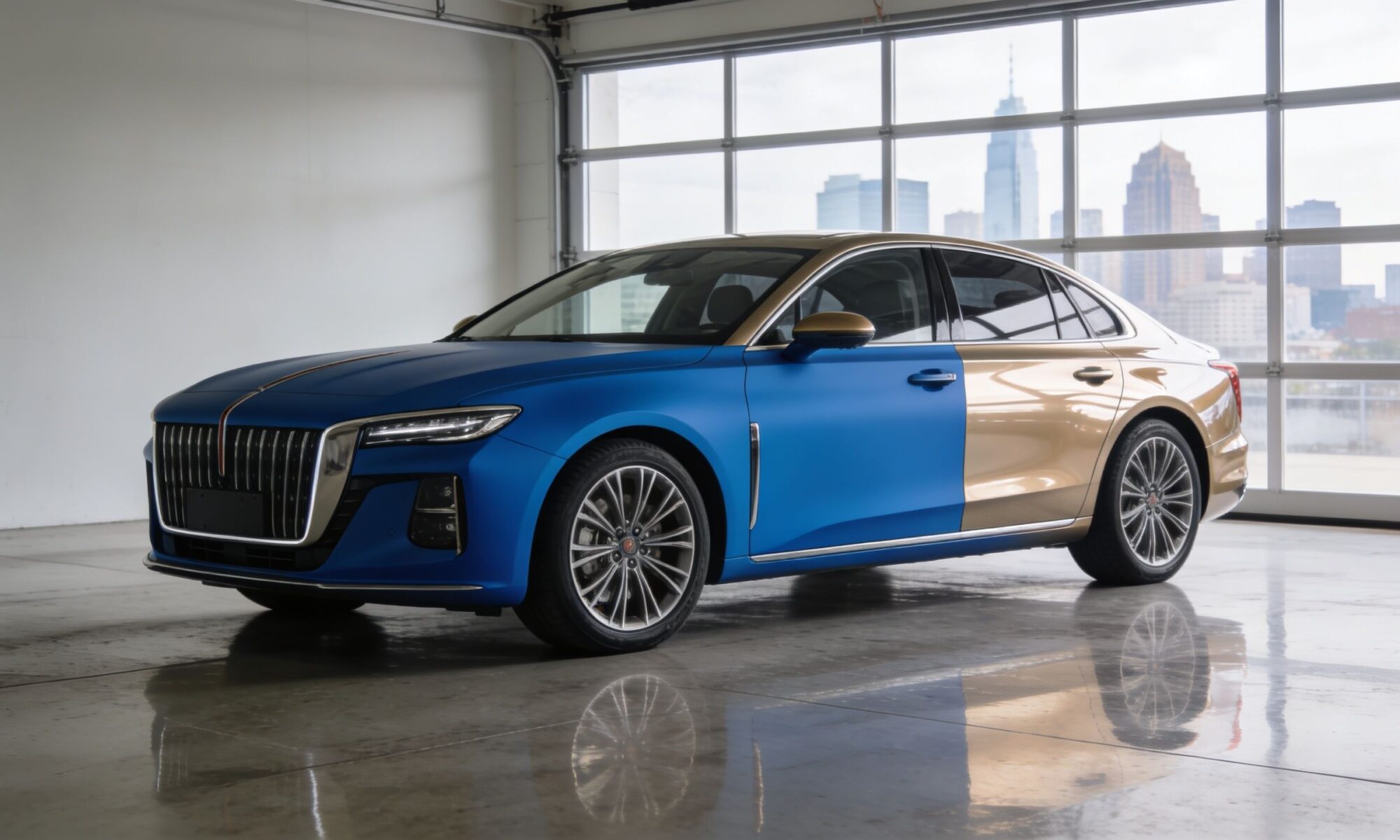
The attraction is easy to understand. A vinyl wrap can take a common daily driver and make it feel custom. A black SUV can go satin pearl. A sports sedan can go gloss metallic. A truck can get a simple hood and roof treatment that changes the whole profile without doing a full transformation. For business owners, the same medium turns a plain vehicle into a rolling ad that people notice in traffic.
Clean wraps don’t happen by accident. They come from prep, film choice, and installer discipline.
Most local searches are really about trust. You’re not looking for the nearest printer with a heat gun. You’re looking for a shop that knows how to work around badges, trim, handles, sensors, and complex body lines without leaving cut marks, silvering, lift lines, or seams in obvious places.
That’s the practical reason to slow down before booking the cheapest quote. The wrap itself is flexible. The outcome isn’t. If the shop cuts corners during prep or uses the wrong film for the job, you’ll see it fast.
What North Atlanta drivers usually want
- A fresh look without repainting: That’s the biggest reason for choosing vinyl.
- Protection for factory paint: A wrap can act as a sacrificial layer against normal wear.
- A reversible change: If your tastes change later, removal is possible.
- A shop nearby that does it right the first time: Convenience matters, but workmanship matters more.
If you’re weighing wrap shops in Kennesaw, Woodstock, or Marietta, think less about who can install film and more about who can deliver a finished vehicle that still looks right when you inspect the edges up close.
Vinyl Wrap vs a New Paint Job Which is Right for You
A wrap and a repaint solve different problems for vehicle owners.
Around North Atlanta, I see the same fork in the road all the time. The owner likes the car, wants a different look, and starts pricing a color change. The right answer depends on the condition of the current paint, how long you plan to keep the new finish, and whether you want style, repair, or both.

Where a wrap makes more sense
Vinyl is usually the better fit for a vehicle with solid factory paint and a cosmetic goal. You want a new color, a satin or matte finish, a brushed look, or a color-shift effect without committing the car to that choice forever. That is where wrap film earns its keep.
It also gives owners more flexibility in how they build the project. Some go full color change. Some wrap only the roof, hood, mirrors, or trim. Some pair a wrap with front-end PPF and ceramic tint because they want the car to look different and hold up better in daily use.
Cost is part of the decision too. In many everyday cases, a quality wrap comes in below a quality full repaint, especially when the goal is appearance rather than body restoration. The trade-off is lifespan and substrate dependence. Wrap film needs good paint underneath, and it will not outlast a properly executed paint job in every situation.
Where paint is the better call
New paint makes sense when the vehicle has failing clear coat, peeling areas, oxidation, previous bodywork, or damage that still needs correction. Film lays over the surface you give it. If that surface is unstable, the result will be unstable too.
Permanent ownership plans matter here as well. A restoration, a collector car, or a vehicle that needs panel repair and refinishing should be evaluated as a paint project first. Wrapping over bad paint usually turns one repair bill into two.
Shop rule: If the car needs body and paint correction first, wrapping it first is the wrong order.
A practical side by side view
| Decision point | Vinyl wrap | New paint job |
|---|---|---|
| Best for | Color changes, custom finishes, reversible styling | Permanent refinishing, restoration, damaged paint repair |
| Surface needs | Needs stable, sound paint underneath | Can correct substrate issues as part of refinishing |
| Look options | Broad finish selection including matte, satin, textured, chrome | Traditional painted finishes, custom paint options with more permanence |
| Removal later | Possible when properly installed and removed | Not reversible |
| Turnaround | Usually shorter for cosmetic change | Usually longer because refinishing is more involved |
One point trips up a lot of buyers. They compare wrap pricing to paint, then realize they were also expecting real paint protection. Those are separate decisions. If you want clarity on that part, review a focused comparison of PPF and vinyl wrap.
Choose wrap when the paint is healthy and the goal is a different appearance with the option to reverse it later. Choose paint when the vehicle needs true refinishing work. The best North Atlanta projects often combine services the right way: repair and paint where the car needs correction, wrap where you want style, PPF where the car takes abuse, and ceramic tint to finish the package.
A Guide to Wrap Films Finishes and PPF
Choosing the right film starts with one question. Are you changing the look, protecting the paint, or doing both?
A lot of North Atlanta owners use the word "wrap" for every film product on the car. In the shop, that usually means sorting out three different goals. Color-change vinyl changes appearance. PPF protects the paint. A smart build often uses both, with each product placed where it makes sense.

Color change vinyl for style
Color-change vinyl is the product people usually mean when they want a new look without repainting the vehicle. Finish choice matters more than many buyers expect because it changes how the body lines read and how the car will live day to day.
Gloss is the safest choice if you want a paint-like finish and easier upkeep. Satin works well on daily drivers because it tones down reflections without looking flat. Matte has a strong look, but it shows contamination, fingerprints, and poor prep faster. Chrome, color-flip, and other specialty films can look excellent on the right vehicle, but they cost more, install harder, and leave less room for mistakes.
Film grade matters too. According to technical wrap film details from Shine Techs, premium cast wrap films from brands like 3M and Avery Dennison are built for conformability, long-term outdoor use, and better gloss retention. In real jobs, that shows up around edges, recessed areas, and complex bumpers. Cheap calendared film usually looks acceptable on flat panels, then starts fighting the installer on curves and fails earlier.
PPF for protection
PPF is a different category designed for protection rather than decoration. It is usually clear, thicker than vinyl wrap, and intended for impact areas like front bumpers, hood sections, fenders, mirror caps, rocker panels, and door edges.
Some owners cover the full vehicle in PPF, especially on newer trucks, performance cars, and high-value daily drivers. Others use a combination approach. They wrap the car for color, then apply protection where the vehicle takes the most abuse from highway driving, gravel, or frequent washing. For a closer look at what that product does, review this paint protection film guide.
Self-healing PPF is popular for a reason. On quality films, light surface marring can relax with heat from the sun or warm water. That feature helps most on black paint, front-end coverage, and vehicles that get washed often.
The best result usually comes from matching the film to how the vehicle is actually used.
Here is the practical breakdown:
- Choose gloss or satin vinyl for a clean color change that still makes sense on a daily driver.
- Pick matte only if you like the look enough to accept stricter wash and care habits.
- Use chrome and specialty films on the right project if visual impact matters more than low-maintenance ownership.
- Add PPF to high-hit areas if the car sees highway miles, jobsite driving, gravel roads, or heavy weekly use.
If a shop cannot explain where vinyl wrap ends and where PPF starts, that is a warning sign. A good installer should be able to build the right mix of style and protection for the way you drive.
How to Vet a Car Wrap Installer in the Kennesaw Area
The installer decides whether your wrap looks tight and factory-like, or cheap and temporary.
That’s not exaggeration. The same film can look excellent on one vehicle and terrible on another depending on prep, panel strategy, post-heating, and how the installer handles edges and recesses.

A lot of local searches in Kennesaw, Woodstock, Canton, and Acworth lead people to polished galleries and short social clips. Those help, but they don’t tell you enough. Plenty of weak installs photograph well from ten feet away. The true test is whether the shop can show consistent work on mirrors, bumpers, door cups, edges, and difficult curves.
One hard truth is worth keeping in mind early. According to installer certification and failure guidance from Purple Flare Agency, 30 to 40 percent of DIY or uncertified vehicle wraps fail within two years due to issues like bubbling or peeling. That’s exactly why installer vetting matters more than who posted the flashiest reel.
What to ask before you book
Start with training and product familiarity. Ask whether the installer works regularly with 3M, Avery Dennison, or ORACAL films and whether they hold current manufacturer certifications if they advertise them. A serious shop won’t dodge that question.
Then ask how they prep the car. Good prep usually includes decontamination, surface cleaning, and thoughtful disassembly where needed. Bad prep usually sounds rushed. If the answer is vague, expect trouble later.
Look at their finished work with these points in mind:
- Edges and wrap lines: Are edges tucked cleanly, or do you see exposed paint and lifted corners?
- Complex panels: Bumpers, mirrors, and deep channels show who knows how to stretch and set film.
- Consistency: One great Lamborghini photo doesn’t mean they install everyday builds well.
- Shop environment: A cleaner workspace usually produces cleaner installs.
Buyer check: Ask to see close-up photos, not just full-car glamour shots.
What pros do that shortcuts shops avoid
A good wrap shop talks about process. A weak one talks mostly about price and color options.
Professionals also set expectations. They’ll tell you when old paint, previous bodywork, or failing clear coat could create risk. They’ll discuss seam placement if the design or panel shape calls for it. They’ll explain cure time and aftercare. They won’t promise that every car is a perfect candidate without seeing it.
This is also where warranty questions matter. You want to know what the shop covers on installation and what the film manufacturer covers on the product itself. Those are not always the same.
Take a minute to watch a real install workflow and the level of detail involved:
A simple red flag list
If you’re comparing shops around Kennesaw and Woodstock, these issues should make you pause:
- No discussion of prep: That usually means prep is minimal.
- No portfolio close-ups: They may be hiding edge quality.
- Unknown film brands: Budget vinyl often costs less up front and more later.
- One flat quote without seeing the car: Real pricing depends on condition, size, contours, and finish.
- No written warranty terms: If it isn’t documented, don’t assume it exists.
A strong installer doesn’t just sell a wrap. They protect you from a bad one.
Complete the Look with Ceramic Window Tint
You pick up a freshly wrapped car, walk into the parking lot, and the body looks sharp from every angle. Then the glass gives it away. Faded, purple, bubbly, or no tint at all can make the whole build feel incomplete.

Ceramic window tint finishes the vehicle properly. It also solves a daily-use problem that matters in North Atlanta. Heat buildup, harsh glare, and sun exposure wear on both the cabin and the driver, especially if the car sits outside in Kennesaw, Woodstock, Acworth, Marietta, or Canton.
Why ceramic tint pairs well with a wrap
Wrap changes the body. Tint changes how the whole vehicle reads from the outside and how it feels from the driver’s seat.
That combination matters more than people expect. Satin, gloss, metallic, blackout, and color-change wraps all look better when the glass has a clean, consistent tone. Quality ceramic tint provides a coordinated, intentional look that complements a new wrap.
The functional side is just as important. Ceramic film is the product I’d point daily drivers toward first if comfort is a priority. It helps cut heat and glare without the cheap look and short lifespan that often come with bargain dyed film. If you want a clear breakdown of how ceramic tint improves heat rejection, UV protection, and daily comfort, that guide covers the differences well.
What local drivers usually ask about
Ceramic tint questions around North Atlanta usually come down to a few practical decisions:
- Best tint for heat reduction in Georgia: Ceramic is usually the first material worth pricing.
- Bargain tint versus premium film: Lower-cost film can look acceptable at first, then fade, haze, or turn purple.
- Tint removal before a new install: Old film should come off before you try to complete the exterior look.
- Windshield tint and Georgia law: Confirm current legal limits before choosing shade levels.
One more trade-off is worth mentioning. Darker tint does not always mean better performance. Good ceramic film in a moderate shade often gives drivers the look they want while keeping visibility more usable at night.
The best-looking vehicles are planned as a package. Wrap, PPF where the car takes abuse, and ceramic tint on the glass give you a finished result that looks right, drives better in summer, and holds up better over time.
Car Wrap Cost Timeline and Maintenance Essentials
A quote gets shaped by labor as much as square footage. Two cars can look similar in size and price very differently once the installer starts accounting for bumper sensors, tight grille areas, spoilers, mirror caps, rocker panels, and whether trim needs to come off for a clean wrap line.
Film choice also changes the job. A standard gloss or satin color-change wrap is usually more forgiving than chrome, brushed metal, color-shift, or heavy textured films. Those specialty materials take more time to align, heat, and finish cleanly around curves. The same goes for older vehicles. If the paint is chipped, repainted poorly, or already failing, the shop has to slow down and decide what the film can safely go over.
What affects cost
The strongest quotes break the job down by real install variables, not just vehicle class.
- Vehicle complexity: Modern bumpers with parking sensors, cameras, vents, and sharp body lines take longer than simpler panels.
- Disassembly level: Better shops often remove badges, handles, lights, mirrors, trim pieces, or spoilers where needed. That raises labor, but it usually improves the finished look.
- Film type and finish: Chrome, color-flip, and some matte or textured films require more installer time and create more waste.
- Coverage choice: Full wrap, roof and hood only, stripes, blackout trim, or commercial graphics all price differently.
- Condition of the vehicle: Rock chips, loose trim, peeling clear coat, and fresh bodywork can all affect what prep is needed before film goes on.
Cheap quotes usually skip something. Sometimes it is material grade. Sometimes it is prep. Sometimes it is the disassembly that keeps edges from looking cut short around handles and trim.
How long it usually takes
A clean full wrap takes time because the work starts before the film touches the car. The vehicle needs a proper wash, clay or decontamination if necessary, alcohol wipe-down, trim planning, and careful panel layout. Then the installer has to set the film, post-heat the right areas, inspect edges, and let the vehicle sit before delivery if the job calls for it.
Simple accent work can move quickly. A full color change usually takes several days in a shop that is not rushing the process. Add-on services can change that timeline too. If you are pairing the wrap with PPF on high-impact areas or ceramic tint to finish the package, ask the shop how they sequence the work so one service does not interfere with the next.
How to keep it looking right
Aftercare is straightforward if you treat the wrap like a finished surface, not like bare paint.
- Wash with pH-neutral soap. A two-bucket hand wash method is the safest routine for wrapped vehicles.
- Skip brush-style automatic washes. Harsh brushes can dull the film and catch edges.
- Use the right product for the finish. Matte and satin wraps should get a dedicated matte detail spray, not wax or gloss enhancers.
- Clean bird droppings, bug splatter, and fuel drips quickly. Letting contamination sit is hard on film.
- Watch edges, seams, and deep recesses. Small lifting spots are easier to correct early than after dirt gets underneath.
- Use pressure washers carefully. Keep distance from the surface and avoid blasting directly into edges.
One practical point I tell North Atlanta drivers all the time. Maintenance habits matter more than fancy products. Regular gentle washing, shaded parking when possible, and quick attention to edge lift will do more for wrap life than a shelf full of chemicals.
A good wrap install should still look sharp months later, not just on pickup day. That comes from choosing the right material, giving the shop enough time to do the work properly, and taking care of the film once the car is back in your driveway.
Transform Your Ride with a North Atlanta Wrap Expert
A good wrap changes more than color. It changes how the whole vehicle presents, and it does it without forcing you into a permanent paint decision.
The biggest decision isn’t whether wraps work. They do. The important decision is who installs the film, what material they use, and whether the package fits how you drive. Some owners need a clean color-change wrap. Some need PPF on impact zones. Some want the full combination of wrap, protection, and ceramic window tint for a complete result.
If you’re searching where to get my car wrapped near me in Woodstock, Kennesaw, Marietta, Canton, or nearby North Metro Atlanta communities, focus on workmanship first. Ask hard questions. Inspect portfolios closely. Don’t let a low quote talk you into a high-risk install.
The right shop will tell you what fits your car, what doesn’t, and where spending more is worth it. That’s how you end up with a vehicle that still looks right long after delivery.
If you want a professional opinion on car wraps, paint protection film, or ceramic window tint in North Metro Atlanta, contact The Tint Guy. Drivers in Woodstock, Kennesaw, Marietta, and surrounding areas can get help choosing the right combination of style, protection, and installation quality for their vehicle.