
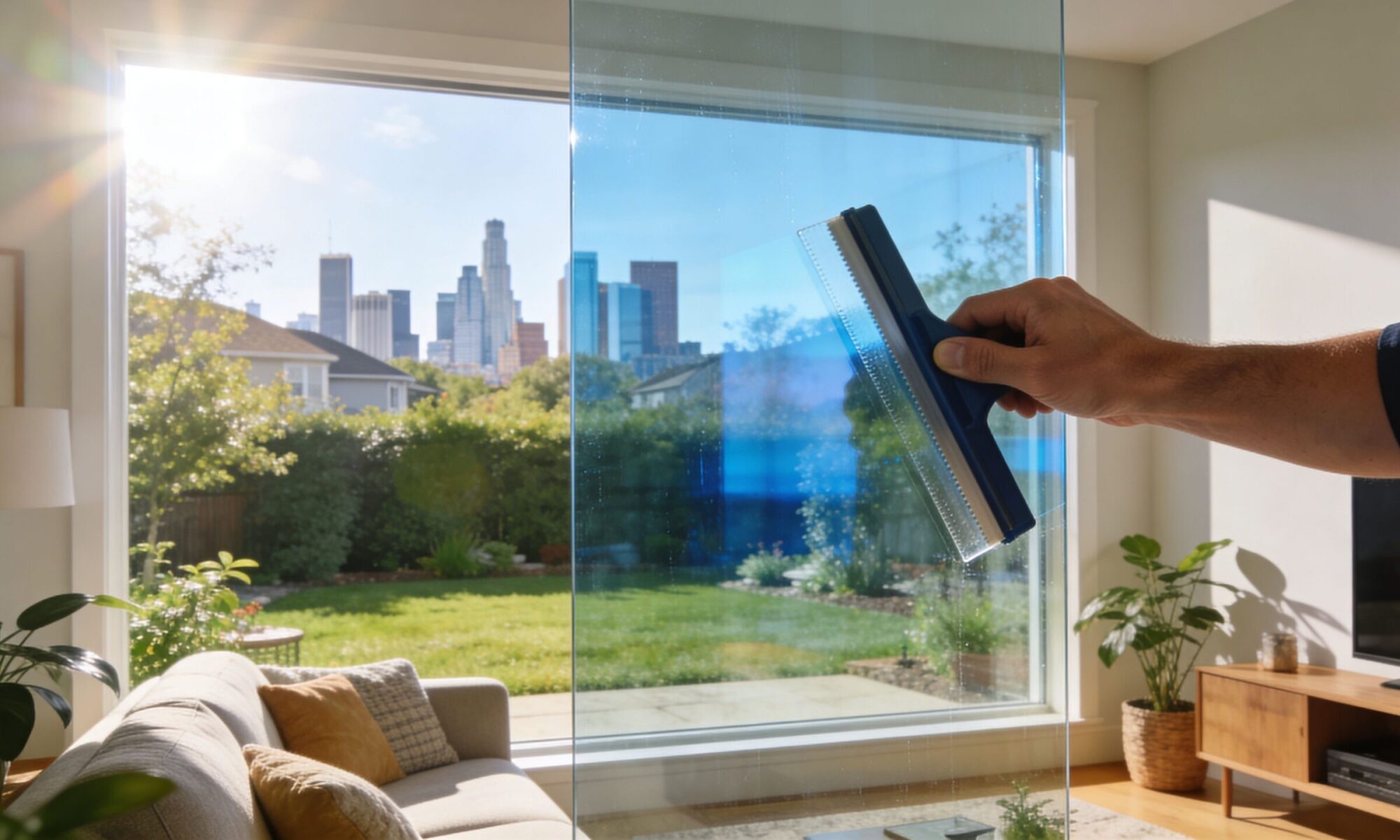
By 3 p.m. in a North Atlanta house, the problem usually shows up fast. The family room gets washed out, the floor by the windows feels warm, and one upstairs room still won’t settle down even though the AC has been running most of the day. That is the point where many homeowners start searching residential window film installation near me.
I hear the same complaints across Kennesaw, Woodstock, Acworth, Marietta, and Canton. Glare on the TV. Sun fading on hardwoods and furniture. A bright room that looks great in the morning and feels uncomfortable by late afternoon.
If you have ever tinted a car to handle Georgia sun, you already understand the basic idea. The same heat rejection and UV management that make a vehicle more comfortable can also improve a home. The difference is application. Residential film has to account for larger glass, seal conditions, daylight goals, exterior appearance, and the way each room is used.
Good home window film solves specific problems without forcing you to live with closed blinds all day. The right film can cut harsh glare, reduce solar heat in trouble spots, and help protect interiors while keeping the glass looking natural. If glare is the issue you notice first, this expert guide on window glare reduction gives a useful overview of what causes it and how film addresses it.
The key is choosing film for the room, the glass, and the result you want, not picking the darkest option and hoping for the best.
Tired of Sun Glare and High Energy Bills in Your Atlanta Home?
In North Metro Atlanta, the pattern is familiar. Morning sun hits the breakfast room and it’s manageable. By mid-afternoon, the glare moves across the family room, the couch near the windows feels warm, and the thermostat starts another cycle. You close blinds to block the brightness, then lose the natural light you paid for when you bought the house.
That’s usually when the search begins for residential window film installation near me.
In homes across Woodstock and Kennesaw, the complaints are rarely just about one thing. It’s the combination. Harsh glare on a TV during the game. A home office that’s bright but hard to work in. Fading concerns for rugs, furniture, and floors. Rooms that look great in listing photos but don’t feel comfortable in the middle of a Georgia summer.
What homeowners usually want
- Less heat in problem rooms without shutting the house up behind curtains
- Glare control that still keeps the view
- UV protection for furniture, flooring, and finishes
- A cleaner look than bulky shades or reflective add-ons
- A practical upgrade instead of replacing good windows
A lot of the confusion starts because people assume the only answer is darker glass. It isn’t. Modern films can be subtle, clear-looking, and purpose-built for solar control.
If glare is your biggest frustration, this expert guide on window glare reduction does a good job breaking down why certain rooms become unusable at specific times of day and what kinds of solutions help.
The right film should solve a room problem, not create a new one by making the space feel closed off.
What Exactly Is Residential Window Film
Residential window film is a thin, multi-layered polyester laminate applied directly to the interior surface of your home’s glass. The material matters. So does the construction. A good film is built in layers that each serve a purpose, including adhesion, optical clarity, scratch resistance, UV filtering, and solar control.
That sounds technical, but the result is simple. The glass still does its job. The film changes how the glass handles sunlight.
How it actually works
In Georgia, the problem is rarely daylight by itself. The issue is the mix of glare, UV exposure, and solar heat hitting the same room for hours at a time. Residential film is engineered to reduce the harsh parts of that solar load while keeping the space usable.
Quality films can block a very high percentage of UV, which helps protect floors, furniture, wood trim, fabrics, and artwork from fading over time. Heat control works differently. Better films are selective. They reduce the infrared energy and solar intensity that make a room feel hot without forcing every window to look dark from inside or outside.
That distinction matters.
A lot of homeowners first hear about ceramic film through car tint. The basic idea carries over, but home applications are tuned for larger glass surfaces, longer sun exposure, and the way people want a living space to feel. If you want a broader explanation of how different constructions perform, this window film 101 guide covering types and benefits is a helpful reference.
Why ceramic technology matters
Older films often relied on dye for appearance or metal for performance. Both can still fit certain jobs. Dyed film is usually more budget-friendly, but it does less for serious heat rejection. Metallic film can perform well, but some homeowners do not want the shinier look, and metal layers can create signal concerns around phones, Wi-Fi, and smart-home devices.
Nano-ceramic film solves a lot of those trade-offs. It is one of the closest parallels between premium automotive tint and premium residential film. In both cases, the goal is strong heat rejection, low haze, and a cleaner appearance without turning the glass into a mirror.
For North Atlanta homes, that often means a bright room stays bright, but it stops feeling punishing in the afternoon sun.
Good home film filters sunlight with intention. It does more than make the glass look darker.
Why professional selection matters
Film has to match the glass. Double-pane windows, low-E glass, tempered units, aging seals, and large west-facing openings all change what is safe and effective to install. Put the wrong product on the wrong window and the result can be disappointing or, in some cases, create extra thermal stress.
Experience on both the automotive and residential side helps. Car owners already understand that film quality is not just about shade. Homeowners need that same clarity. The right product choice depends on performance, appearance, glass type, and how the room is used.
Homeowners are not buying a roll of film. They are buying a cooler upstairs bedroom, less glare on a television, and better protection for the interior they have already paid for.
Choosing the Right Film for Your Home A Guide to Tint Types
A west-facing living room at 4 p.m. needs a different film than a front-door sidelight or a bathroom window. Homeowners who start with “darkest tint” usually end up comparing the wrong things. The better question is what problem the glass needs to solve: heat, glare, privacy, fading, or appearance.

A lot of North Atlanta homeowners come in with car tint experience. That helps, because the same lesson applies at home. Shade alone does not tell you how a film will perform. If you want a broader primer before choosing, this window film 101 guide on types and benefits is a useful place to start.
The main film categories homeowners compare
Dyed film
Dyed film sits at the lower end of the price range. It can cut brightness and soften the look of harsh sunlight, but it is usually not the product I recommend for rooms that stay hot all afternoon.
For homeowners focused mainly on budget, it can make sense in lighter-use areas. For high-exposure glass in Georgia, many people outgrow it fast.
Nano-ceramic film
Nano-ceramic film is the closest residential match to the premium ceramic products car owners already know. It is popular for a reason. It delivers strong solar control without the mirrored look that turns some homeowners away from reflective products.
This type is often the right fit for family rooms, offices, and upstairs bedrooms where the goal is to keep the room bright but less punishing. It also avoids the signal concerns that can come with metal-based films, which matters more now that homes rely on strong Wi-Fi, mobile service, and connected devices.
Reflective or dual-reflective film
Reflective films do two jobs well. They cut glare and add daytime privacy.
That makes them useful on large, exposed windows or street-facing rooms where the sun is aggressive and visibility from outside is part of the problem. The trade-off is the exterior look. Some homeowners like the crisp, reflective finish. Others do not want the house to read as shiny from the curb, and some HOA guidelines push the decision toward a softer-looking product.
Neutral or clear solar film
Neutral and clear solar films are for homeowners who want the glass to stay close to its original appearance. They are a strong option when preserving daylight matters as much as reducing heat and UV exposure.
These films will not create much privacy. They are chosen for subtlety, not concealment.
Low-E film
Low-E film is worth discussing in homes that need more balanced year-round performance rather than a summer-only fix. Depending on the glass and the room, it can help reduce solar gain while also improving insulation characteristics.
This is one of the categories where glass type matters a lot. Product choice needs to match the window construction, not just the goal for the room.
Decorative and privacy film
Decorative film solves a visibility problem first. It works well on bathrooms, sidelights, office doors, and entry glass where the homeowner wants privacy without replacing the glass.
Frosted and patterned films can look sharp, but they are not a substitute for high-performance solar film on heat-heavy windows.
Window Film Type Comparison
| Film Type | Primary Benefit | Heat Rejection | Appearance | Best For |
|---|---|---|---|---|
| Ceramic Film | Strong solar control with low visual impact | High | Neutral, clean, low reflectivity | Living rooms, offices, large sun-exposed windows |
| Dual-Reflective Film | Daytime privacy plus glare control | Moderate to high | Reflective outside, clearer inside | Street-facing rooms, strong afternoon exposure |
| Low-E Film | Year-round glass performance focus | Varies by product | Subtle | Homes balancing seasonal comfort concerns |
| Neutral/Clear Film | UV protection with minimal look change | Moderate | Very light or nearly clear | Homes that want natural light and less visible tint |
| Decorative/Privacy Film | Privacy and design | Limited for solar control | Frosted or patterned | Bathrooms, entry glass, sidelights |
What tends to work best in Georgia
In Kennesaw, Woodstock, and nearby suburbs, ceramic film is usually the first product I show for rooms that overheat but still need natural light. Reflective or dual-reflective film makes more sense when daytime privacy is part of the brief. Decorative film belongs in targeted spots, not across the whole house.
The right pick depends on the room, the glass, and how the homeowner uses the space. A media room, a breakfast nook, and a two-story foyer should not be treated as the same project.
Top Benefits of Window Film for North Atlanta Homeowners
By June in North Atlanta, the pattern is familiar. The west-facing living room heats up by midafternoon, the TV turns into a mirror, and the AC runs longer than it should. Homeowners usually start looking at residential film for comfort, but the value extends beyond that.

Lower cooling strain during Georgia summers
Glass is one of the biggest weak points in the building envelope, especially on rooms with long afternoon sun exposure. A good solar film cuts a meaningful share of that solar heat before it enters the space, which helps rooms stay more even and reduces how hard the HVAC system has to work.
The U.S. Department of Energy notes that window films can help reduce solar heat gain through existing windows, but payback depends on the home, the glass, utility rates, and the film selected. In practice, some homes feel the benefit immediately in comfort, while the financial return takes longer and varies project to project.
This is one place where car owners already understand the technology. The same reason nano-ceramic film is popular on vehicles in Georgia applies at home too. It manages heat and glare without forcing a dark, reflective look on the glass. Residential products are built differently from automotive films, but the performance logic carries over.
Protect furniture, floors, and finishes
UV damage is slow, but it is expensive. Hardwood can shift in color, fabrics fade unevenly, and wood trim near large windows often shows age faster than the rest of the room.
Quality residential films typically block the vast majority of UV rays, which helps protect interiors and reduces one source of daily skin exposure near sunny windows. Homeowners who want the health side explained clearly can read more about how window films help reduce skin cancer risks.
Film does not stop every cause of fading. Visible light, heat, and material quality still matter. But on big exposed windows, UV control is one of the smartest preservation upgrades you can make without changing the glass.
Reclaim rooms from daily glare
Glare changes behavior inside a house. People stop using a chair by the window, close the blinds during the brightest part of the day, or avoid certain rooms for work because laptop screens wash out.
A properly matched film softens that harsh light while keeping the room usable. That trade-off matters. Homeowners want daylight, not a cave. The goal is to reduce eye strain and screen glare without giving up the open feel that made them buy the house in the first place.
A quick visual explanation helps here:
Improve privacy without making the house feel closed in
Privacy needs are usually room-specific. A front office, street-facing dining room, bathroom window, or sidelights by the entry all call for different solutions.
Some films improve daytime privacy while also cutting heat and glare. Decorative privacy films work better where the goal is obscured visibility rather than solar performance. The wrong product can make a room feel heavier than necessary, especially in homes that already have shaded interiors.
Here is how that usually breaks down in North Atlanta homes:
- For exposed family rooms: solar-control film often makes the room more comfortable and easier to use throughout the day
- For front-facing windows: dual-reflective film can add daytime privacy while still preserving outward visibility
- For bathrooms and entry glass: decorative privacy film usually gives a cleaner result than trying to force a solar film into the wrong job
The best results come from treating each window by how the room functions. That is the same mindset serious car owners use when they choose film for a windshield, front doors, or a full vehicle. Different glass, different goals, different answer.
The Tint Guy Installation Process What to Expect on Your Service Day
Service day should feel controlled from the moment the installer walks in. In a Georgia home, that matters even more because large sun-facing windows tend to show every flaw. A speck in the adhesive, a rough cut at the edge, or a rushed cleanup stands out fast once afternoon light hits the glass.

Before the film ever touches the glass
A good installer starts by confirming the glass type, checking for any seal issues or existing damage, and verifying what the room needs the film to do. Heat rejection, glare control, daytime privacy, and appearance do not always line up with the same product. That is one reason homeowners who know ceramic tint from the automotive side are often surprised by the amount of planning involved on the residential side. The technology overlap is real, but the glass conditions are different.
Prep decides a lot of the final result.
The glass has to be cleaned thoroughly, and the frames, gaskets, and sills need the same attention. Dust, paint flecks, pet hair, and pollen are common in lived-in homes around North Atlanta, especially near older wood windows or busy sliding doors. If those contaminants stay in the work area, they can end up trapped under the film or interfere with clean edge work.
How the film is applied
Most residential films go on with a wet installation method. The film is set on the glass, aligned carefully, and then squeegeed with controlled pressure to push out the slip solution and lock the adhesive down evenly.
Cutting and edge spacing are part of the craft. The International Window Film Association installation guidelines outline accepted practices for film application, including clean trimming and consistent edge gaps. Those details help the film sit neatly on the pane and reduce the chance of edge lift later.
Homeowners usually notice edge work right away, even if they do not know the term for it. A straight, even cut line signals patience and control. Sloppy edges usually point to a rushed install.
A clean perimeter tells you a lot about the rest of the job.
What you’ll notice right after installation
Fresh film can look slightly hazy at first. Small moisture patterns or a soft, cloudy look during curing are normal, especially on larger panes. That is part of the bonding process, not a sign that the product is failing.
You should also get clear aftercare instructions before the crew leaves:
- Let the film cure undisturbed for the recommended period.
- Hold off on cleaning until the installer says the film is ready.
- Use gentle, non-abrasive cleaning methods once curing is complete.
- Pay attention to the edges if you have concerns, since that area shows true adhesion issues sooner than temporary moisture marks.
At The Tint Guy, we follow those same installation standards from glass compatibility checks to precise trimming and post-install walkthroughs. That matters for homeowners, and it also makes sense to car owners who already understand what premium film should look like. Different glass, different installation methods, same expectation. Clean lines, clear communication, and a finish that holds up in Georgia heat.
Car Window Tint vs Home Window Film Clearing Up the Confusion
A lot of people searching for window tint near me are thinking about both their vehicle and their house. That crossover makes sense. If ceramic tint made your truck or SUV more comfortable in July, it’s natural to wonder whether the same idea works on the windows in your living room.
It does, but the products are not interchangeable.

What the two categories share
Automotive tint and residential film often use similar underlying concepts. Ceramic technology, UV filtering, glare reduction, and heat management all carry over. That’s why people who ask for ceramic window tint on a car usually understand the value faster when discussing home film.
The overlap also helps when you’re evaluating quality. A shop that understands film construction, optical clarity, cutting precision, and proper adhesion already speaks the language of performance. The context changes, but the discipline doesn’t.
Why you can’t use car tint on a house
Residential film is engineered for flat glass, larger panes, and different thermal conditions. Automotive glass is curved more often, used in different environments, and regulated differently.
Here are the practical differences homeowners and drivers should know:
- Film construction: Home films are selected around architectural glass compatibility, not vehicle glass shapes.
- Adhesive behavior: Residential products are formulated for longer-term performance on home windows.
- Appearance goals: Houses often call for subtle, neutral looks. Cars may prioritize privacy or a darker aesthetic.
- Replacement logic: On vehicles, people often ask for tint removal or tint replacement because of bubbling, discoloration, or a legal change. At home, replacement is more often driven by age, seal concerns, or a shift to better-performing technology.
Georgia legal tint concerns apply to cars, not homes
Drivers often ask about legal tint limits Georgia, windshield tint, and how dark they can go. Those are real automotive concerns and should be handled carefully at the time of vehicle installation.
Homes are a different conversation. Residential film doesn’t follow the same legal tint framework used for cars, but homeowners still need to think about neighborhood appearance, HOA expectations, and glass compatibility. A film can be technically excellent and still be the wrong choice if it creates an exterior look you don’t want on the front of the house.
Car tint law is about vehicle compliance. Home film selection is about glass safety, performance, and appearance.
For homeowners who also need car window tinting, auto tint installation, or old film removed and replaced, it helps to work with a provider that understands both sides of the category. The questions sound similar, but the right answer for a windshield or door glass is not automatically the right answer for a dual-pane family room window.
Why Choose The Tint Guy for Your Kennesaw & Woodstock Tinting Project
A lot of homeowners start this search after living with the same problem for months. The den gets blasted every afternoon. The front room looks great until the glare hits the TV. The upstairs bedroom stays warmer than the rest of the house even with the AC running. By the time they call, they usually do not need a sales pitch. They need a straight answer on what film belongs on their glass and who can install it cleanly.
That is where local experience shows up in practical ways. Homes in Kennesaw and Woodstock deal with strong afternoon sun, long cooling seasons, and plenty of UV exposure. Film choice has to match the window, the room, and the goal. A darker product is not always the better one. In many homes, a lighter ceramic film does a better job of cutting heat while keeping the house bright and the exterior appearance balanced.
Choosing an installer also means checking how they handle the basics. Good shops explain what they are putting on the glass, why that film fits the window type, how the edges will look, and what curing will involve over the next several days. They should also be willing to talk plainly about limits. Some windows are poor candidates for certain films. Some rooms need glare control more than heat rejection. Some homeowners want privacy and later realize they do not want a reflective look on the front elevation.
If you want a useful outside reference before hiring anyone, this guide on avoiding contractor scams is worth reading.
The strongest tint companies in this area usually share a few habits:
- They recommend by glass type and room exposure, not by whatever film they sell most often.
- They understand both residential film and automotive tint, so they can explain where ceramic technology carries over and where the comparison stops.
- They set expectations for prep, install time, cleanup, and cure time without vague promises.
- They can show a track record in North Atlanta homes, not just vehicles or commercial jobs.
- They explain warranty coverage in plain language.
That home-and-auto crossover matters more than many people expect. A lot of local searches for residential window film come from car owners who already know the difference between dyed film and nano-ceramic tint. The useful part of that knowledge is performance. Premium ceramic technology that helps a vehicle handle Georgia heat also translates well to house windows, especially in rooms with heavy sun exposure. The install standards are different, but the core benefit is familiar. Better heat rejection, strong UV reduction, and clearer views than older, darker films.
The Tint Guy fits that profile because the shop handles both conversations correctly. Homeowners can get practical guidance instead of a recycled car tint pitch with house language pasted on top. If you are comparing local companies, The Tint Guy’s Angi Super Service Award background is one trust signal worth reviewing along with product knowledge, window assessment, and warranty clarity.
The right installer makes the project feel simple. Measure the glass correctly. Recommend the right film the first time. Install it cleanly. Leave you with a room that feels better every afternoon.
Your North Atlanta Window Film Questions Answered
A lot of homeowners reach this point after the same moment. The sun hits the living room at 4 p.m., the TV washes out, the upstairs stays hotter than the thermostat says it should, and now the question becomes less "does film work?" and more "what do I need to know before I book it?"
Here are the answers that usually matter most.
What does residential window tinting usually cost?
Price depends on the film you choose, the size and number of panes, ladder or access difficulty, and whether the job includes large specialty glass, old film removal, or cut-up windows with lots of frames to work around.
The useful comparison is not just film versus film. It is film versus living with the problem, or film versus replacing good windows too early. If your existing windows are in decent shape, film is often the more practical first step for glare, heat, and UV control. Full replacement makes more sense when the windows themselves have seal failure, frame damage, or broader performance problems that film cannot fix.
If you want a real estimate, square footage alone does not tell the whole story. Glass type and film selection drive the recommendation.
Can film damage double-pane windows or void a warranty?
It can if the wrong film goes on the wrong glass. That is why the glass check comes first.
Double-pane units, tempered glass, older annealed glass, and some low-E windows all behave differently under heat. A qualified installer should identify the glass, check manufacturer guidance when needed, and recommend a film that fits the window instead of forcing a one-product-fits-all answer.
This is one place where car tint experience helps only up to a point. Automotive ceramic technology translates well in terms of heat rejection and clarity, but house windows need a separate compatibility review because the glass construction is different.
How long does window film last?
Good film lasts for years when it is matched correctly and installed cleanly. The main variables are sun exposure, product quality, and install quality.
South and west facing rooms in Georgia take a harder beating than shaded glass. Cheap film usually shows its age first through fading, discoloration, edge lift, or a hazy look. Better films hold their color and appearance longer, especially when the installer pays attention to edge alignment, contamination control, and proper curing conditions.
How do I clean and maintain it?
Keep it simple after cure time.
- Wait until the installer says the film is ready for cleaning.
- Use a soft microfiber cloth or other non-abrasive material.
- Use a mild cleaner that does not contain harsh abrasives.
- Skip razor blades, scrub pads, and rough tools at the edges.
- If you see peeling, edge lift, or unusual defects after curing, call the installer.
A little haze or moisture pattern right after installation can be normal while the film cures. Actual edge failure is different.
Is residential film worth it if my main issue is glare?
Yes. In many homes, glare is the problem that gets people to act first.
Energy savings matter, but comfort matters too. If a room becomes hard to use during the brightest hours of the day, that is a real performance issue. The right glare-reduction film can make a home office, media room, breakfast area, or front sitting room usable again without forcing you to keep the blinds shut all afternoon.
What if I’m also looking for car tint near me?
That overlap is common in North Atlanta. A lot of people who understand ceramic tint from their vehicle start asking whether the same kind of upgrade exists for the house.
The answer is yes, with an important qualifier. Residential film is not automotive film cut to a bigger piece of glass. But the performance logic carries over. Homeowners who liked the clear, high-heat-rejection feel of nano-ceramic tint on a car usually respond well to premium residential films built for similar goals in Georgia's climate. Less heat load, less harsh light, strong UV reduction, and better clarity than older dark films.
If you are in Kennesaw, Woodstock, Acworth, Marietta, Canton, or nearby North Metro Atlanta suburbs and want a straightforward assessment of your windows, The Tint Guy can help you compare film options for heat reduction, glare control, UV protection, privacy, and replacement of old failing tint. Start with the rooms that cause the most frustration, get the glass identified correctly, and choose film based on performance, not guesswork from a sample card.