You’re probably looking at a car next to you in Woodstock traffic, or sitting in a hot parking lot in Alpharetta, and thinking the same thing a lot of drivers do. You want privacy. You want less glare. You want your car, truck, or SUV to feel a little more sealed off from the outside world.
That is usually when the phrase what is limo tint comes up.
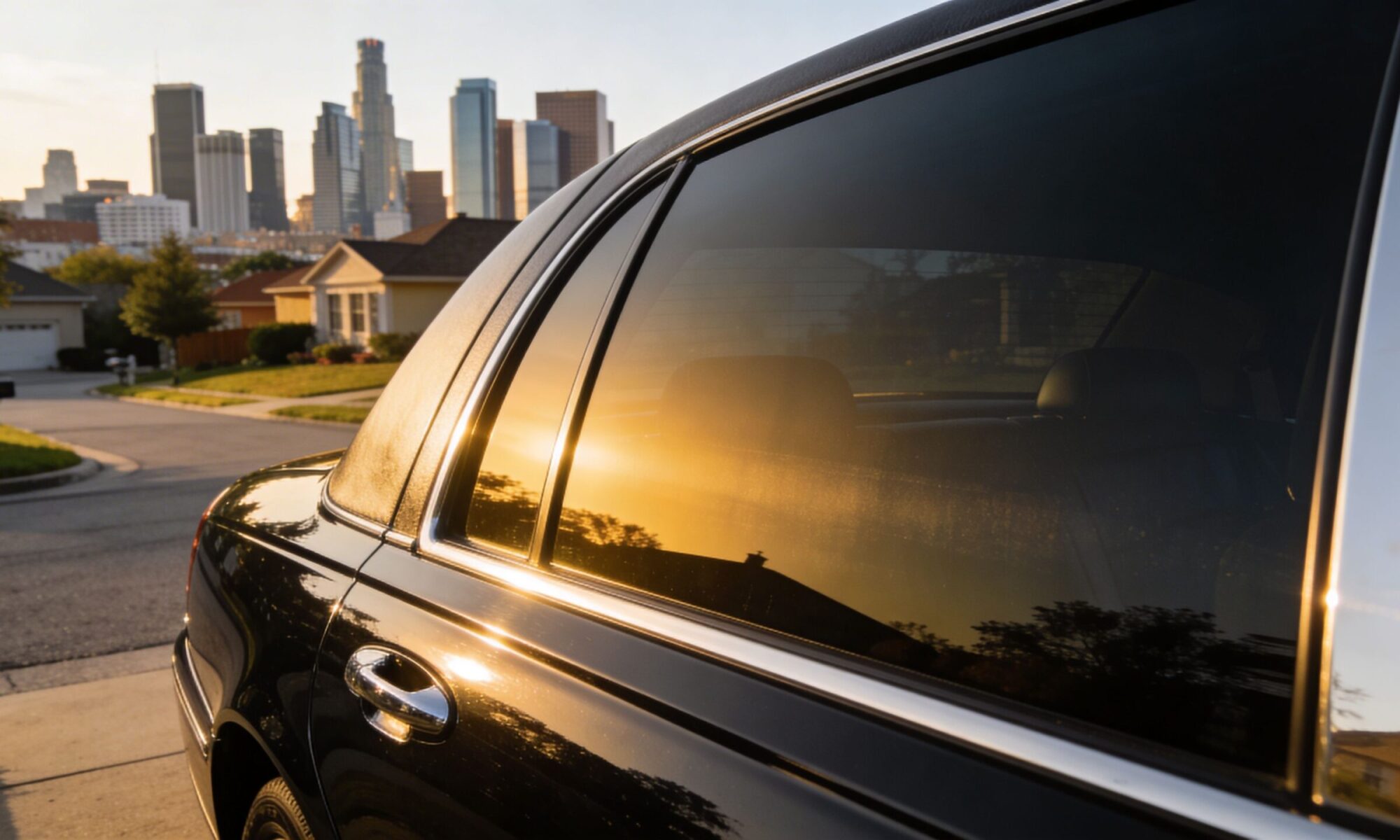
In automotive window tinting, limo tint is the darkest look many drivers picture when they think of a blacked-out rear window on a luxury SUV, executive sedan, or limousine. It gives a vehicle a clean, serious appearance. It also changes how the cabin feels inside. Passengers feel less exposed, belongings are harder to see, and the interior takes less punishment from the sun when the right film is used.
For North Metro Atlanta drivers, there’s one big catch. The darkest tint is not always the smartest tint, and it is definitely not legal on every piece of glass. Around Woodstock, Canton, Roswell, Marietta, and Alpharetta, the best result usually comes from balancing privacy, heat rejection, visibility, and Georgia law instead of chasing the darkest possible number everywhere.
The Allure of Ultimate Automotive Privacy
A lot of drivers ask for limo tint because they want their vehicle to feel more private during daily use.
That makes sense in North Atlanta. You sit in school pickup lines. You leave laptops or gym bags in the back seat. You park at shopping centers, office lots, restaurants, and trailheads. Dark automotive tint helps separate your personal space from everyone outside the glass.
Privacy is the first reason people want it. Style is the second.
A vehicle with dark rear glass looks tighter, cleaner, and more intentional. On black trucks and SUVs, it creates a uniform factory-style finish. On white, silver, and gray vehicles, it adds contrast. On luxury cars, it gives the cabin the executive look people usually associate with chauffeur vehicles.
There is also a comfort angle that matters more in Georgia than many drivers expect. Sun exposure through untreated glass can make a parked vehicle miserable. Dark film can help with glare and cabin comfort, but the film type matters just as much as the darkness.
Practical takeaway: If your goal is privacy, limo tint can deliver it. If your goal is comfort, you need to pay attention to film technology, not just how black the window looks.
That distinction matters. A very dark low-end film can look good from the outside and still disappoint on heat performance. A better film can give you a similar look with better day-to-day comfort and longer-term durability.
For cars, trucks, and SUVs in Woodstock, Acworth, Canton, Alpharetta, and the rest of North Metro Atlanta, the right answer is rarely “go as dark as possible everywhere.” The right answer is choosing the darkness and film type that fit how you drive.
Defining Limo Tint By The Numbers
Limo tint is a darkness level, not a brand name.
The key measurement is Visible Light Transmission, usually shortened to VLT. VLT tells you how much visible light passes through the glass and film together. Lower number means darker tint. Higher number means lighter tint.
Consider sunglasses. Very light lenses let in a lot of light. Very dark lenses shut a lot of that light out. Car tint works the same way.
According to this explanation of limo tint percentages, limo tint typically ranges from 5% to 10% VLT, and the term became common in the late 1970s when limousine owners started using very dark tint for privacy and heat reduction.

What the number means
At its darkest level, only a small amount of visible light gets through the film.
That is why true limo tint looks nearly black from the outside in daylight. It is also why it creates such strong privacy on rear glass. During the day, it can be very difficult for someone outside the vehicle to see into the cabin.
Why drivers confuse limo tint with a film type
This happens constantly in automotive tint installation. A customer says they want “limo tint,” but what they usually mean is one of two things:
- They want maximum privacy
- They want the dark black appearance
Those are valid goals, but they do not tell you what kind of film to use. You can get a limo-level shade in different film technologies, and the performance can vary a lot.
If you want a quick visual breakdown of common darkness levels before picking a film, this guide to car window tint levels helps translate VLT into a look most drivers can understand.
The short definition
If someone asks what is limo tint in plain English, the answer is simple.
It is one of the darkest automotive tint options available, typically chosen mostly for privacy, appearance, and reduced visibility into the vehicle.
Limo Tint vs Other Automotive Tint Films
The biggest misconception in car window tint is this. Limo describes darkness. It does not describe the material.
You can have dyed limo tint. You can have carbon limo tint. You can have ceramic limo tint. All three may look dark from outside the vehicle, but they will not perform the same way.

The four film categories drivers usually compare
Dyed film is the entry-level option many drivers recognize first. It darkens the glass well and gives you the privacy look many drivers want. The trade-off is performance. Dyed film tends to absorb heat rather than manage it as effectively as better materials.
Metallic film was more common years ago. It can improve solar control, but many drivers avoid it because metallic construction can create downsides with modern vehicle electronics and signal-sensitive accessories.
Carbon film sits in the middle for many buyers. It gives a darker, richer appearance than many basic films and avoids the old reflective look some people dislike.
Ceramic film is the premium option for automotive tinting. It is the film category people usually end up preferring once they understand the difference between darkness and performance.
Why ceramic matters more than the shade itself
Heat rejection is where the gap shows up.
According to this breakdown of the best car tint for heat reduction, high-performance ceramic limo tints can achieve TSER ratings of 50-66%, while dyed limo tints are around 30-40% TSER. That same source notes ceramic can outperform dyed limo tint by 20-30% in sustained heat rejection, and that nano-ceramic particles selectively reflect infrared rays, which account for 51% of solar heat.
That is the practical difference a driver feels in summer. Two vehicles can both look dark from the outside. The one with a better ceramic film usually stays more comfortable and puts less strain on the cabin experience.
Installer’s rule of thumb: If you care mainly about appearance, many films can get you there. If you care about appearance and comfort together, ceramic is usually the smarter choice.
Automotive Tint Film Technology Comparison
| Film Type | Primary Benefit | Key Drawback | Heat Rejection (TSER) |
|---|---|---|---|
| Dyed | Dark look and privacy at lower cost | Lower sustained heat performance | 30-40% |
| Metallic | Solar control | Possible compatibility drawbacks with electronics | Qualitative advantage, varies by film |
| Carbon | Strong appearance without metallic shine | Performance depends on product line | Qualitative mid-range performance |
| Ceramic | Best balance of clarity, heat rejection, and premium finish | Higher upfront cost | 50-66% |
What works best on real vehicles
On a commuter sedan, a ceramic rear tint gives you a cleaner result over time.
On trucks and SUVs, ceramic is even more useful because there is more cabin volume to heat up, and a dark rear section is often a big part of the vehicle’s look.
On enthusiast cars, the decision often comes down to whether you want appearance only or appearance plus comfort. For most drivers in Woodstock and Alpharetta, that answer becomes obvious in summer.
The Unmatched Benefits of Dark Automotive Tint
Dark automotive tint earns its reputation for a reason. When it is used in the right places on a vehicle, it changes both the look and the ownership experience.

Privacy that feels different
Rear limo-style tint gives passengers a level of separation that lighter films cannot match.
That matters for families, rideshare drivers, business owners, and anyone who keeps personal items in the cabin. Even a quick stop at a store feels different when people outside the car cannot casually scan the back seat.
Better protection for the cabin
Sun damage is gradual, but every Georgia driver sees it eventually. Dashboards fade. Leather dries out. Plastics lose their finish.
A quality dark film helps reduce that wear, and premium films are especially useful when you care about keeping your interior in good condition over time.
Less glare and a more settled drive
The comfort side of dark tint gets overlooked because people focus on how it looks.
But a vehicle with well-chosen automotive tint feels calmer on bright afternoons. Rear passengers notice it first. Drivers notice it on long commutes, especially when the sun is low and harsh.
This short video gives a useful look at how dark automotive tint changes the cabin experience:
Security through less visibility
Tint is not a lock. It does not replace common sense. It does make your vehicle less revealing.
That matters when you leave tools in a truck, sports gear in an SUV, or shopping bags on the floor behind a dark rear door. If someone cannot easily see in, your car becomes a less obvious target.
Why dark tint looks premium on modern vehicles
The appearance benefit is simple. Dark glass sharpens body lines.
It can make factory chrome look more restrained, black trim look cleaner, and the whole vehicle look more finished. That is why so many owners ask for a limo-style rear section even when they do not want the darkest legal option.
Best use case: Drivers who want privacy and a high-end look usually get the most value from darker rear glass paired with a lighter legal front side film.
Understanding The Trade-Offs and Safety Concerns
The same thing that makes limo tint attractive also creates the biggest downside. It cuts light hard.
In daylight, that can feel great. At night, in rain, in parking decks, or on poorly lit side streets, very dark film can make the outside world harder to read. The problem is usually not straight-ahead driving. The problem is side visibility, mirror checks, backing up, and spotting movement in dark areas.
Where drivers get caught off guard
A car with very dark side glass may look fine leaving work before sunset. Later that night, the same tint can feel much different when you’re trying to judge a curb, watch for a pedestrian, or reverse into a tight space. In this situation, responsible tint advice matters. The darkest option is not automatically the best option for every driver.
- Night driving: Dark film can make side views feel compressed and uncertain.
- Rainy conditions: Water, reflections, and road spray already reduce visibility. Very dark tint adds another layer.
- Older vehicles and mirrors: If your car lacks strong backup camera performance or modern visibility aids, tint choice matters even more.
The practical trade-off
Drivers often assume privacy and safety scale together. They do not always.
A rear section with very dark film can be a smart setup because the front doors remain more usable at night. Putting that same darkness on the front side windows creates a much harsher trade-off. It may look uniform during the day, but it can become frustrating after dark.
Safety first: If you drive a lot at night in Canton, Woodstock, or Marietta, think carefully before choosing the darkest film anywhere that affects your side visibility.
A clean installation does not fix a poor tint choice. The film can be flawless and still be wrong for how you use the vehicle.
Limo Tint and Georgia Law A North Atlanta Focus
Georgia drivers need a clear answer on legality, as many bad tint decisions begin with a misunderstanding of the law.
According to this Georgia limo tint guide, front side windows must allow at least 32% VLT, while rear side windows and the rear windshield on non-commercial vehicles can be any darkness. The same source notes that illegal 5% tint on the front side windows can lead to fines up to $1,000 and points on your license.

What that means on a real vehicle
For most passenger cars, trucks, and SUVs in Georgia, true limo tint belongs on the rear half of the vehicle, not the front doors.
That is the legal path to the limo-style look. You can go very dark on the rear side windows and rear glass, while keeping the front side windows compliant.
This is why so many North Atlanta vehicles are tinted in a two-zone setup:
- Front side windows: Chosen to stay legal and preserve night visibility
- Rear side windows and back glass: Darkened for privacy and appearance
The mistake that creates problems
A lot of drivers search for the darkest tint possible and assume the same shade can go on every window. In Georgia, this approach creates problems.
If you want to compare your options before booking automotive window tinting, this page on the legal limit for tint in Georgia is a useful reference.
The better North Atlanta strategy
In Woodstock, Alpharetta, Roswell, Kennesaw, and surrounding areas, the smart move is usually a limo-style rear setup with legal front side glass.
That gives you the look people want without building a compliance problem into your car. It also gives you a safer everyday setup if you commute early, drive home after dark, or spend time on unlit roads in Cherokee County or North Fulton.
A good installer should be willing to tell you no when a requested setup is illegal or impractical. That protects you from tickets, removal headaches, and a result that looks good in the shop but causes regret later.
Cost and Professional Installation for Your Car
A dark tint job can look clean in the parking lot and still be a bad buy.
I see that with bargain installs all the time around North Atlanta. The film goes on fast, the price looks good, then the owner starts noticing dust trapped in the adhesive, light gaps along the edges, purple color shift, or peeling around the back glass. On a setup that is already pushing a bold, limo-style look, those flaws stand out even more.
Cost depends on more than shade. Film type, vehicle shape, the number of windows, and the installer’s skill all affect the final price. For drivers comparing options, a practical starting point is this guide on how much car tint costs.
What professional installation includes
A proper install is mostly preparation and control.
Glass prep
Any old adhesive, silicone residue, pet hair, or fine dust left on the glass will show through once the film cures.Precise cutting and fitment
Good shops use clean patterns and tight edges so the film sits right without rough borders or oversized gaps.Heat shrinking on curved glass
Rear windows are where experience shows. If the installer cannot shrink film cleanly, you get fingers, creases, or premature failure.Clean final inspection
Before the car leaves, the film should be checked for contamination, edge lift, and alignment from both inside and outside the vehicle.
Why the cheapest quote often costs more later
Cheap dyed film may work for a while, but it usually does not age like better carbon or ceramic products. If the car stays outside, gets daily use, or spends a lot of time in Georgia sun, lower-grade film tends to show its weaknesses sooner.
That matters because removal and reinstallation add cost. You are not just paying for new film. You are paying for labor to strip the old adhesive, clean the glass again, and redo the whole job.
Where limo-style tint changes the value decision
For many Georgia drivers, the smartest spend is not the darkest possible shade on every piece of glass. It is a legal front setup paired with a darker rear section using a higher-quality film. That gives you the privacy and appearance people want, while avoiding the ticket risk and visibility problems that come with an illegal full-vehicle job.
If you want context on why the “limo” look carries a premium image in the first place, Atlanta limo service prices show the kind of market that helped make the term stick.
What to ask before booking
- Film type: Get the quote in writing. Dyed, carbon, and ceramic should not be treated as the same product.
- Coverage: Confirm which windows are included.
- Warranty: Ask what is covered if the film bubbles, peels, or changes color.
- Legal awareness: Ask whether the shop will refuse an illegal setup. A reputable installer should.
- Aftercare and cure time: Know how long to wait before rolling windows down or cleaning the inside glass.
A good tint job should look factory-clean, hold up for years, and fit how you drive in Georgia.
Frequently Asked Questions About Limo Tint
Can I tint only the rear windows and still get the limo look
Yes. For many Georgia drivers, that is the best approach. A darker rear section gives you the privacy and style people want, while the front side windows stay legal and easier to see through at night.
Does limo tint interfere with phone, GPS, or radio signals
Film technology matters. Older metallic-style films have a different reputation than modern ceramic products. If signal clarity is important to you, ask specifically about ceramic film options during your automotive tint consultation.
Is darker always better for heat reduction
No. Darkness and performance are not the same thing. A lighter high-performance film can outperform a darker low-end film in real use, which is why ceramic tint is such a common upgrade.
Why do people call it limo tint if it’s used on regular cars
Because the look started with limousines and then carried over into everyday automotive window tinting. If you want to understand the luxury side of that market, Atlanta limo service prices provide useful context for the kinds of vehicles that helped popularize the name.
What should I do right after installation
Follow the installer’s aftercare instructions. New film needs time to settle. If you clean it too aggressively or treat it like fully cured glass too soon, you can shorten the life of the finish.
If you want expert guidance on automotive window tinting for your car, truck, or SUV in Woodstock, Alpharetta, or the wider North Metro Atlanta area, contact The Tint Guy. Schedule your tint appointment, ask for a free tint consultation, and get a setup that looks right, performs right, and stays legal in Georgia.