If you're driving through Kennesaw, Woodstock, Marietta, or Canton most days, you already know what Georgia sun does to a car. The steering wheel gets hot enough to make you pull your hand back. Afternoon glare off side glass and pavement wears your eyes out. Then you come back to a parked car and the cabin feels baked.
That’s why the question isn’t just whether tint looks good. The key question is what the ceramic tint inside view is like when you live with it every day. Drivers want less heat, less glare, legal shade, and a view from the driver’s seat that still feels clean and safe.
A lot of tint content skips the part that matters most once the install is done. How it looks from the inside. How it performs at dusk. Whether premium ceramic really gives you a better everyday experience than old dyed film, bubbling tint, or a cheap dark install that looks good for a month and drives badly for years.
Why North Atlanta Drivers Are Upgrading Their Window Tint
A normal summer drive in North Atlanta tells the whole story. You merge onto I-575 in Woodstock with the sun hitting the driver’s side window. You get into Marietta traffic and the glare keeps shifting. By lunch, the car has been parked outside long enough that the seats, dash, and shifter all feel overheated.

That’s usually when drivers stop thinking about window tint as a style add-on and start treating it like a comfort and protection upgrade. In Kennesaw and Woodstock, drivers asking about ceramic tint often aren’t chasing the darkest look possible. They want to cut glare, keep the cabin more manageable, and protect the interior without ruining visibility from inside the vehicle.
What local drivers are trying to fix
The common complaints are practical:
- Harsh afternoon glare: Side glass and windshield exposure can make commutes more fatiguing.
- Cabin heat after parking: Even short stops can leave the interior uncomfortable.
- Interior wear: Dashboards, leather, vinyl, and trim all take a beating under strong sun.
- Old tint failure: Bubbling, purple film, peeling edges, and hazy rear windows make driving worse, not better.
A lot of drivers start by researching basic tint, then end up moving toward ceramic after learning how much performance depends on the film itself, not just how dark it looks. That’s the difference between a cosmetic install and a functional one.
Practical rule: If your main goals are heat reduction, UV protection, and a cleaner driving experience, start with film performance first and shade second.
For a broader look at why vehicle owners make that upgrade, this guide on the benefits of automotive window tint covers the comfort and protection side well.
What the Ceramic Tint Inside View Really Looks Like
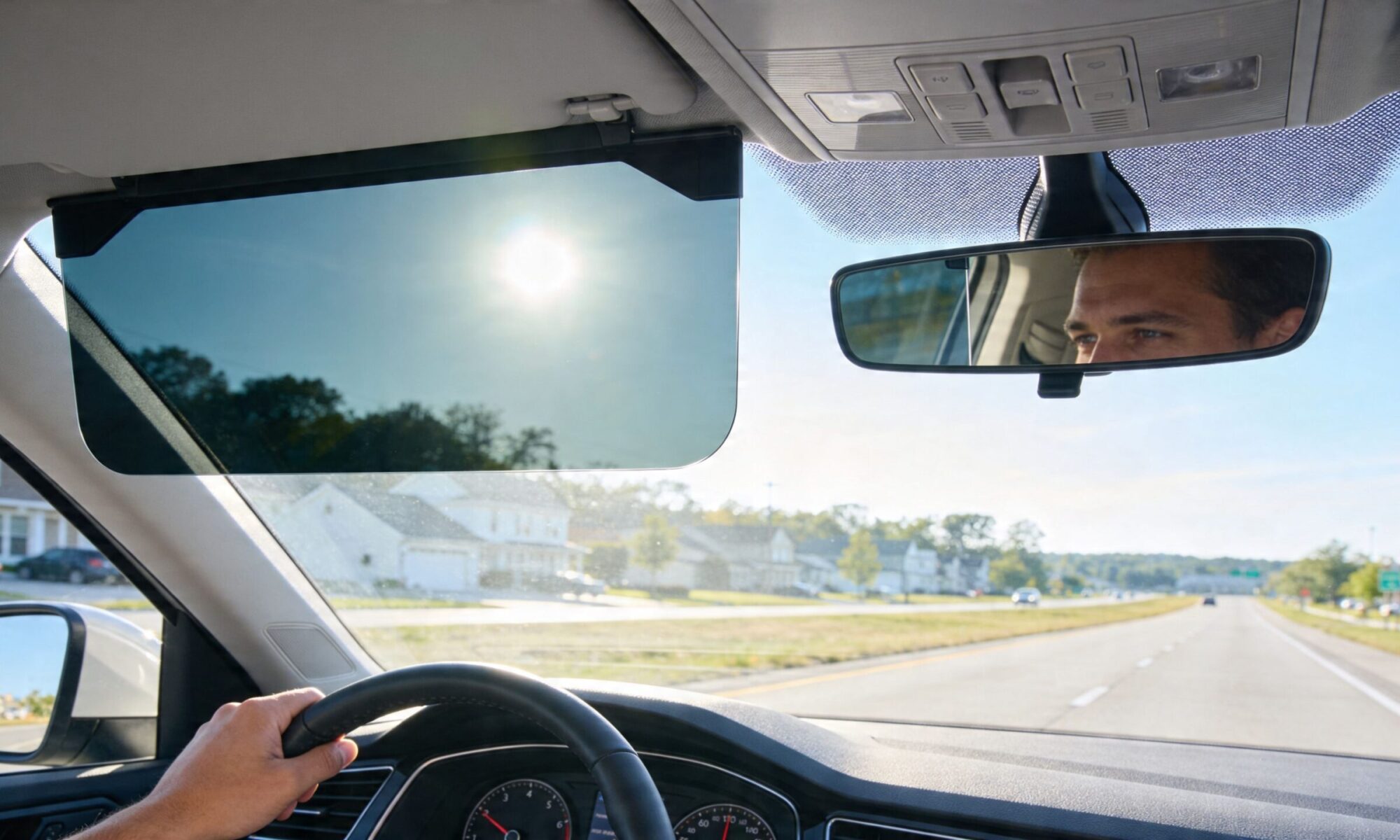
Pull out of a shaded parking spot in Kennesaw at 5:30 p.m., turn west, and you find out fast whether your tint was chosen for looks or for driving. The inside view with a good ceramic film stays clean enough to track traffic, read brake lights, and deal with Georgia sun without that smeared, cheap-film look.

That’s the difference drivers notice first. Ceramic film does a better job preserving a natural view through the glass than older dyed and many lower-end metallic films at the same shade, because the film is built to reject heat without depending on dark, heavy-looking optics for performance.
Clarity is more than the VLT number
VLT only tells part of the story. It measures how much visible light passes through the glass, but it does not tell you whether the film looks neutral, whether it adds low-angle haze, or whether the view feels strained at night.
From the driver’s seat, premium ceramic usually looks more neutral than basic film. Colors outside stay closer to normal. White headlights stay more defined. Road markings are easier to pick up in rain and early evening, especially with a moderate shade instead of pushing too dark just for appearance.
That is why many North Atlanta drivers end up choosing a lighter ceramic setup over a darker entry-level film. They want the cabin to feel less harsh without making Woodstock back roads or wet nighttime intersections harder to read. If you're weighing the trade-offs between film types, this breakdown of carbon vs ceramic window tint differences helps explain why the inside view often feels better with ceramic.
What you actually notice from inside
A well-installed ceramic tint usually gives you a few practical improvements right away:
- More natural color through the glass: Outside scenery does not take on the muddy or overly smoked look common with cheaper film.
- Better glare control: Bright pavement, chrome reflections, and afternoon sun feel less aggressive.
- Less eye fatigue on longer drives: The cabin feels calmer because the light is softened, not just darkened.
- Cleaner-looking glass: Good ceramic tends to look more refined from both sides of the window.
There is a trade-off, and it should be said plainly. Some ceramic films can show a slight low-angle haze, especially in strong sunrise or sunset light, and some drivers are more sensitive to that than others. Film brand, shade choice, windshield angle, and install quality all affect how noticeable it is. The best ceramic films keep that effect minimal, but no professional should pretend every ceramic film is optically identical.
This video gives a useful visual sense of how that inside perspective can look in real use:
For daily driving around Kennesaw, Woodstock, and the rest of North Atlanta, the goal is simple. Choose a ceramic film that cuts heat and glare while keeping the view usable in real conditions, not just in a showroom parking lot.
Ceramic Tint Compared to Carbon and Dyed Films
A lot of North Atlanta drivers start with price, then end up caring more about how the tint behaves after a Georgia summer or two. That is where the gap between dyed, carbon, and ceramic gets real.

Window tint comparison
| Feature | Ceramic Tint | Carbon Tint | Dyed Tint |
|---|---|---|---|
| Heat rejection | Superior | Moderate | Minimal |
| UV protection | Excellent | Excellent | Good |
| Durability | High, long-lasting and non-fading | Medium, stable color | Low, fades quickly |
| Signal interference | None, metal-free | Minimal | None |
| Price point | Highest, premium | Medium | Lowest |
| Inside-out clarity | Excellent | Generally good | Usually the weakest of the three |
Ceramic costs more because it solves more than one problem at a time. It cuts heat better than dyed film, holds its color better than cheap film, and usually gives a cleaner inside view than either dyed or lower-end carbon. For drivers in Kennesaw, Woodstock, Acworth, and Canton who keep a vehicle for years, that matters more than saving money on the first install.
Dyed film still has a place. It darkens the glass, improves privacy, and keeps the ticket price down. The trade-off is long-term performance. Dyed film is usually the first to fade, discolor, or look tired, especially on cars that sit outside every day.
Carbon sits in the middle and, to be fair, it is a respectable option. A good carbon film usually looks better and lasts longer than dyed, and many drivers are happy with it. But carbon still tends to give up some heat rejection and some optical refinement compared with a good ceramic film. If you want a closer side-by-side breakdown, this comparison of carbon vs ceramic tints lays out where each one makes sense.
Here is the part many shops gloss over. Inside visibility is not just about how dark the tint is. Film construction matters. Cheaper dyed films often look flatter and less natural from the driver’s seat. Carbon can look good, but ceramic usually gives the most neutral view through the glass, especially in bright daytime conditions. That said, premium ceramic is still the safer bet, not a magic product. Some films can show a little low-angle haze in sunrise or sunset light, while cheap dyed film more often looks dull all day.
For Georgia drivers who want the best mix of comfort, longevity, and usable visibility, ceramic usually wins. Carbon is the value middle ground. Dyed is the budget choice people replace later.
Unmatched Heat and UV Protection for Your Car's Interior
Ceramic tint earns its reputation because it protects more than your eyes. It protects the cabin. In Georgia, that matters every day the vehicle sits outside at work, at school pickup, or in a parking lot with the sun hitting the same side for hours.

Why the cabin feels cooler
The big performance number with ceramic is infrared rejection. Ceramic window tint achieves infrared rejection rates of 95-98%, and that level of IRR can lower cabin temperatures by 20-30°F in parked vehicles under direct sun (Rogue Auto Salon on ceramic heat blocking).
That’s why a car with quality ceramic tint often feels less punishing when you open the door. The heat load hasn’t disappeared, but less of it has made its way into the cabin through the glass.
The same source notes that this can reduce air conditioning load by up to 20%. For a daily commuter in Woodstock or Kennesaw, that changes how quickly the car settles down after startup.
What UV protection means in real life
The other half of the story is UV protection. Ceramic films are known for blocking over 99% UV rays in the verified data above, and that matters because interiors don’t fail all at once. They wear out slowly.
Watch for these signs in untinted or poorly tinted vehicles:
- Dash fading: Color starts looking dry and washed out.
- Leather stress: Seats can stiffen, fade, and age unevenly.
- Plastic trim wear: Panels and consoles lose their original finish.
- Fabric breakdown: Upholstery can fade and look older than the rest of the car.
Heat reduction helps comfort. UV protection helps preserve the parts you touch and look at every day.
For people shopping auto tint installation, ceramic transforms from a cosmetic add-on into a protection product. It’s especially relevant if you’re replacing old tint, driving a vehicle with a dark interior, or trying to keep a truck, SUV, or sedan looking newer over time.
The best fit for Georgia use
In real use, the sweet spot isn’t just maximum darkness. It’s choosing a film that cuts heat hard while keeping the cabin view comfortable. For most drivers, that means thinking about the sun exposure on your route, your parking habits, and whether you drive a lot at dawn, dusk, or after dark.
That’s also why ceramic is a common answer for people searching heat reduction tint, UV protection tint, and car tint near me. They’re not just after appearance. They want the car to feel better and last longer.
Beyond Clarity Addressing Haze and Night Driving Concerns
Ceramic tint is the premium choice for most Georgia drivers, but honest advice includes the trade-offs. Two concerns come up more often with informed buyers than first-time shoppers. Low-angle haze and night driving visibility.
Low-angle haze is real, but usually minor
Low-angle haze happens when sunlight hits the glass at certain angles and reflects off the ceramic layers in a way you can notice from inside. It’s not a constant problem, and it doesn’t show up on every window the same way.
Installers who talk openly about it note that it affects “some but not all windows” and that “99% of customers never notice or are unbothered” (discussion of low-angle haze in ceramic tint).
That lines up with real-world experience. Drivers who are extremely sensitive to optical nuances may notice a faint pearlescent or slightly bluish effect in specific dawn or dusk conditions, especially on more curved side glass. The heat and glare improvement is generally considered far more significant than that occasional visual quirk.
Night driving comes down to the setup, not the hype
Night concerns usually get oversimplified. People hear “premium tint” and assume visibility will always be perfect, or they hear “dark tint” and assume it’s automatically unsafe. Neither is a useful way to choose film.
What matters most is the combination of film quality, shade level, your vehicle’s glass, and how you drive. A sensible ceramic setup on side windows can still give you a clean, usable view at night. Go too dark, especially with poor film choice, and you’ll feel it on back roads, in rain, and while reversing into dim parking lots.
A few practical guidelines help:
- Choose legal front side glass first: Compliance usually lines up with better daily usability.
- Match tint to your driving habits: If you spend a lot of time on dark roads, don’t chase the darkest possible look.
- Use professional film selection: Not every ceramic line has the same visual character.
- Replace failing old tint instead of layering over problems: Distortion often comes from bad film or bad installs, not the concept of tint itself.
The best ceramic tint inside view at night usually comes from restraint. Pick performance and legality before trying to make the glass look blacked out.
For most daily drivers in Marietta, Canton, and Woodstock, that means a balanced ceramic package works better than an extreme one.
Navigating Georgia Tint Laws and Ceramic Tint Costs
A driver in Kennesaw usually asks the same two questions before we schedule the job. What can I legally install, and why does ceramic cost more than the film I had before?
Those are the right questions.
What legal tint means in Georgia
For passenger vehicles in Georgia, the front side window number many drivers focus on is 32% VLT minimum. That pushes a lot of North Atlanta installs toward shades that stay legal but still cut heat and glare in a meaningful way.
If you are not sure where your vehicle falls, check the current Georgia legal tint limits before choosing the film. It is a lot easier to build a tint package around the law than to strip off an illegal one later.
Why ceramic costs more, and why many drivers still choose it
Ceramic costs more because the film itself is better. You are paying for stronger heat rejection, better long-term color stability, and a cleaner inside view than you usually get from entry-level dyed film.
That higher price does not make ceramic the right answer for every budget. It does make more sense for drivers who plan to keep the car, spend time in Georgia summer traffic, or already know they do not want to redo bubbling or faded tint in two or three years.
The value usually shows up in a few places:
- Long-term appearance: Ceramic film resists the faded, purple, or tired look that shows up sooner with cheaper film.
- Interior protection: Quality ceramic film blocks the vast majority of UV exposure, which helps protect leather, vinyl, trim, and dash surfaces from premature wear.
- Better cabin comfort: Less heat coming through the glass means the car feels easier to cool down after sitting in the sun.
- Fewer repeat jobs: Cheap tint often turns into removal, replacement, and paying twice for labor.
The smartest way to budget for tint
Price matters, but so does the full job. If the old film is failing, the actual cost includes removal, adhesive cleanup, and reinstalling something you will not hate a year from now.
That is why a lot of Woodstock and Kennesaw drivers move to ceramic after trying a cheaper option first. They have already seen what bargain film looks like once the bubbles start, the color shifts, or the inside view gets rough. Ceramic is rarely the cheapest invoice. It is often the better long-term buy.
Professional Installation in Kennesaw Woodstock and Beyond
Film quality matters. Installation quality decides whether you get the performance you paid for.
A bad install ruins good film fast. Dust trapped under the film, contaminated edges, poor shrinking on rear glass, and sloppy trimming all show up later as bubbles, peeling, light gaps, or visual distortion. That’s why professional car window tinting and auto tint installation matter just as much as the ceramic label on the box.
What professional work solves
A solid shop handles more than laying film on glass. It evaluates old tint condition, checks for defroster concerns on rear windows, prepares the glass properly, and matches the film choice to the vehicle and the way you drive.
That matters whether you need:
- A ceramic upgrade: Replacing basic film with a higher-performing option
- Tint removal and tint replacement: Fixing bubbling, purple, or scratched film
- A windshield tint strip: Reducing top-of-windshield glare
- A full-car install: Side glass, rear glass, and a balanced legal setup
In North Metro Atlanta, shoppers often search by city because convenience matters. So if you’re looking for window tinting in Kennesaw, car window tinting in Woodstock, auto tint in Marietta, or car tint near me in Acworth or Canton, choose the installer the same way you choose the film. Look for experience, clean work, and a process built for long-term results.
Good ceramic film installed poorly still looks and performs like a bad job.
Frequently Asked Questions About Ceramic Tint
How long does a professional tint installation take
It depends on the vehicle, the condition of the glass, and whether old film has to come off first. A straightforward install is faster than a job that includes tint removal, adhesive cleanup, and replacing failed rear glass film. The best answer is vehicle-specific.
What happens if my old tint is bubbling or turning purple
That film should be removed before new tint goes on. Installing over damaged film doesn’t fix haze, glue failure, or trapped contamination. A proper tint removal process strips the old material, removes leftover adhesive, and gets the glass ready for tint replacement that will sit flat and look clean.
How should I clean new ceramic tint
Use a soft microfiber towel and a tint-safe cleaner. Avoid abrasive pads, harsh scraping, or ammonia-based products unless your installer specifically says the film can handle them. Gentle cleaning keeps the finish clearer and helps avoid scratches along the lower roll-down area.
Is ceramic always the best window tint for cars
If your priorities are heat reduction, UV protection, long-term appearance, and a better ceramic tint inside view, it’s usually the strongest option. If budget is the only concern, dyed film may still appeal to you. Most drivers who spend a lot of time in the car end up valuing performance once they’ve lived with both.
If you’re ready to upgrade old tint, compare ceramic options, or get a clean legal install for your vehicle, contact The Tint Guy for a quote. They handle ceramic window tint, tint removal, tint replacement, and professional installation for drivers across Woodstock, Kennesaw, Marietta, Acworth, Canton, and nearby North Metro Atlanta areas.